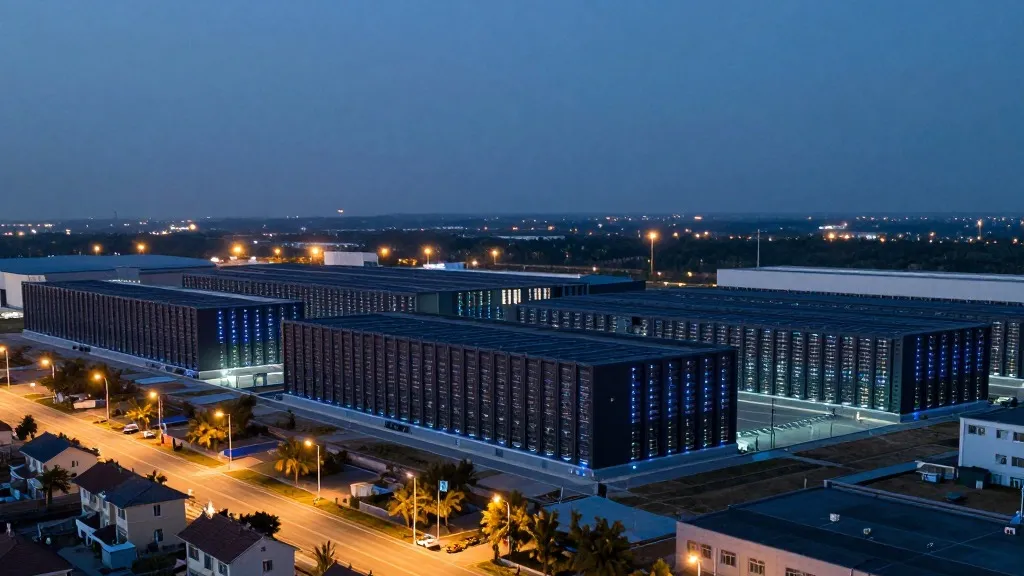
Amazon cancels Virginia data center plans after local pushback
The tech giant is swapping four planned server facilities for housing and community spaces in Loudoun County.
By Tariq Mahmoud ·
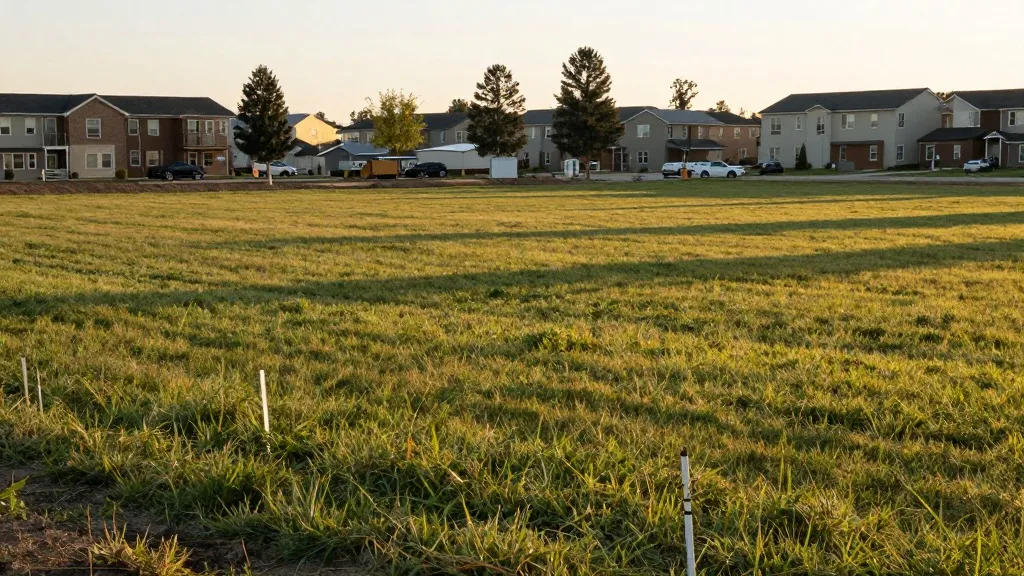
Amazon has officially dropped its plans to build four new data centers in Loudoun County, Virginia. The decision marks a significant shift in strategy for the company in the region just outside Washington, D.C. The land, which sits on the former George Washington University campus, will now be used for mixed-use and residential development instead.
The 122-acre site was originally targeted for massive server infrastructure. However, loud pushback from local residents forced a rethink. Amazon will repurpose the majority of the property for homes and community spaces. Additionally, the company will donate 25 acres to the county. This land is designated for a new community arts center and a recreational facility.
To further ease tensions, Amazon will provide a $5 million contribution to the county’s housing fund. This financial support is part of a broader agreement to address local concerns. The deal avoids a potential legal battle over the land’s intended use.
Loudoun County is often called "Data Center Alley" due to its high concentration of server facilities. It holds the largest cluster of such centers on the planet. Recently, however, the approach to new builds has changed. Residents grew wary of the noise and the immense power requirements of these facilities.
Amazon submitted its initial proposal in July. In September, company executives met with the Loudoun County Board of Supervisors. Phyllis J. Randall, the board chair, suggested that the company might find a better use for the land. Amazon took that advice and pivoted its plans.
Josh Weissman, Amazon’s vice president for data center development, explained the company’s perspective. He noted that Amazon was eager to buy the former campus when it became available. However, the company listened to the county’s specific concerns about the site. Weissman stated that while Amazon saw different legal potential for the land, they agreed that a shared vision was better than costly litigation.
The broader context involves a surge in demand for artificial intelligence infrastructure. Cloud services and storage needs have driven the need for larger facilities. Yet, local opposition has grown alongside the construction boom. Communities are worried about electricity price spikes and resource strain.
President Donald Trump recently weighed in on the issue. He called for data center builders to pay local communities a dividend as energy prices rise. He also suggested that these facilities should generate their own power and sell excess energy back to the grid. Water usage and deforestation have also become key points of contention in these debates.
Local officials praised the outcome of the negotiations. Randall said that choosing dialogue over disagreement created a real opportunity for the county. She highlighted the new gathering spaces and the focus on providing attainable homes for working families. The agreement stands as a model for resolving land-use conflicts without a fight.
This development follows a period of intense scrutiny on data center expansion. While the need for computing power grows, so does the friction with local environments. The swap in Loudoun County represents a compromise. It trades high-tech infrastructure for community-focused development, satisfying both the company’s need for a resolution and the residents’ desire for a livable neighborhood.
Source: Tom's Hardware