Texas Leads the Nation in Empty Office Space, Wall Street Journal Reporter Says
Houston, Dallas and Austin each have roughly a quarter of their office space unleased, a mix of past overbuilding and remote work that raises questions for lenders and the broader financial sector.
By Kendra Konchanuk ·
Houston, Dallas and Austin are among the American cities with the most empty office space, with about 25% of available office space in each sitting vacant, according to reporting by Wall Street Journal reporter Konrad Putzier. He discussed the findings with Texas Standard in an interview published on 2023-10-16.
Putzier said Texas has the highest leasing vacancy rates in the country. By some measures, he noted, the figures are worse than those in San Francisco and New York, which he called surprising.
He drew a distinction between two kinds of vacancy. Physical vacancy refers to how many people actually show up at the office on a given day, and by that measure Texas cities are doing fairly well compared with the rest of the country. Leased vacancy refers to the share of a city's office space that has no tenant, and on that measure Texas is essentially the worst in the nation.
Putzier pointed to overbuilding as a major factor. Office construction is cyclical, he said, and developers tend to build too much during good economic times. Texas is the most extreme example of this because land is relatively cheap compared with New York or San Francisco and there is less red tape, making building easier and faster. In periods such as the 1980s and the late 1990s, developers added far more office space than the market needed. That older space now competes with newer buildings, including recently built ones in Austin. Combined with the continuing effect of remote work, the oversupply has produced high leasing vacancies.
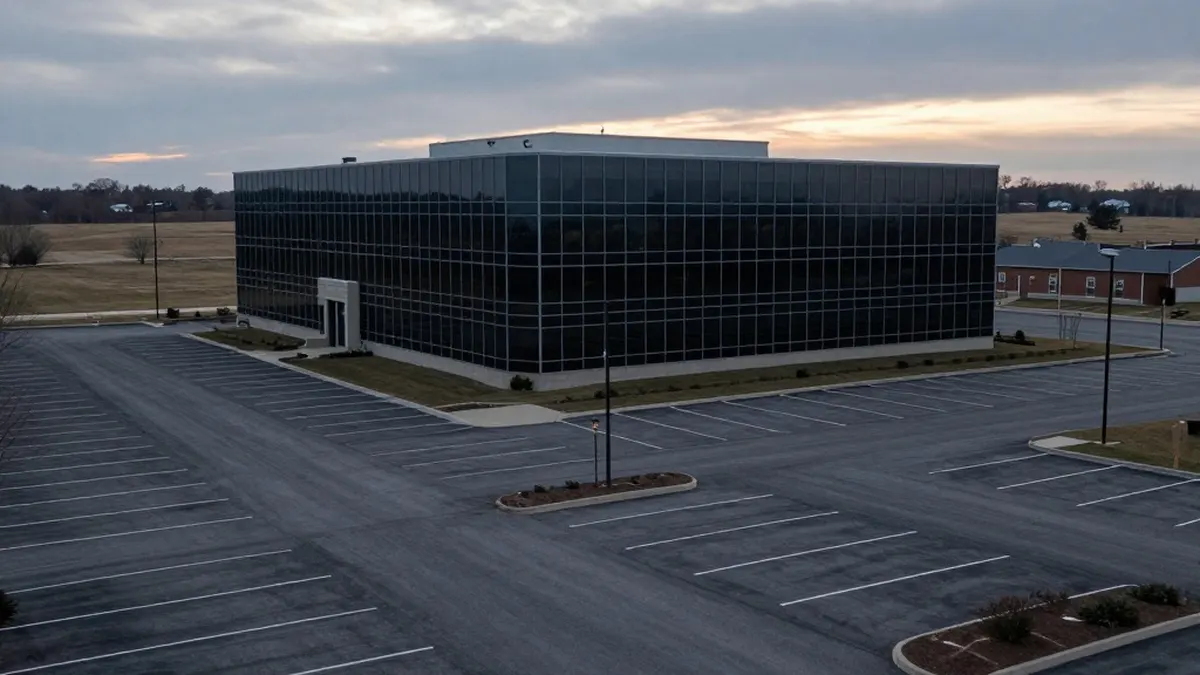
As an example, Putzier cited Granite 190, an office park in the Dallas suburbs. Built around 20 years ago or a little earlier, it has a large parking lot and is surrounded by fields. It lost its main tenant this summer, is now partly vacant and is in financial difficulty. He described it as typical of struggling buildings, since companies leasing space prefer newer buildings in urban neighborhoods where employees can walk to restaurants or bike from their apartments. With so many older suburban office parks, he said, it is unclear what will happen to them.
The interview also touched on the Journal's reporting on a so-called doom loop in commercial property, in which owners who cannot make payments on financed buildings could set off a wave of defaults. Putzier said the risk is real. He argued that the office market is much smaller than the housing market was in 2007 and 2008, with far less value and debt tied to it. But he said the underlying problems may be worse, because demand for housing never fundamentally shifted back then, whereas companies now want and need less office space. Rising interest rates have also pushed down building values.
Banks are more exposed to commercial real estate than most people realize, Putzier said. Beyond issuing mortgages on office buildings directly, they lend indirectly to finance companies that in turn issue mortgages. A debt fund or private equity firm may appear to be the lender on paper, but the money ultimately comes from a bank, which could be left holding the loss. That, he said, is the risk of contagion to the financial sector.
Asked about a way out, Putzier said the easiest would be for workers to return to the office en masse. A significant drop in interest rates would also be a game changer, he said, helping stabilize the commercial real estate market, since remote work is unlikely to disappear. How much remote work will raise vacancy rates, whether by 20%, 30% or 40%, remains uncertain, and fuller buildings than expected could also make a difference. Still, he said, everyone agrees the office sector is in trouble.
Source: Houston Public Media