EU expands sanctions to target Russian oil refineries and petrochemical firms
The European Union has added numerous Russian energy companies to its sanctions list, aiming to cut revenue streams that finance the war in Ukraine.
By Ananya Wright ·
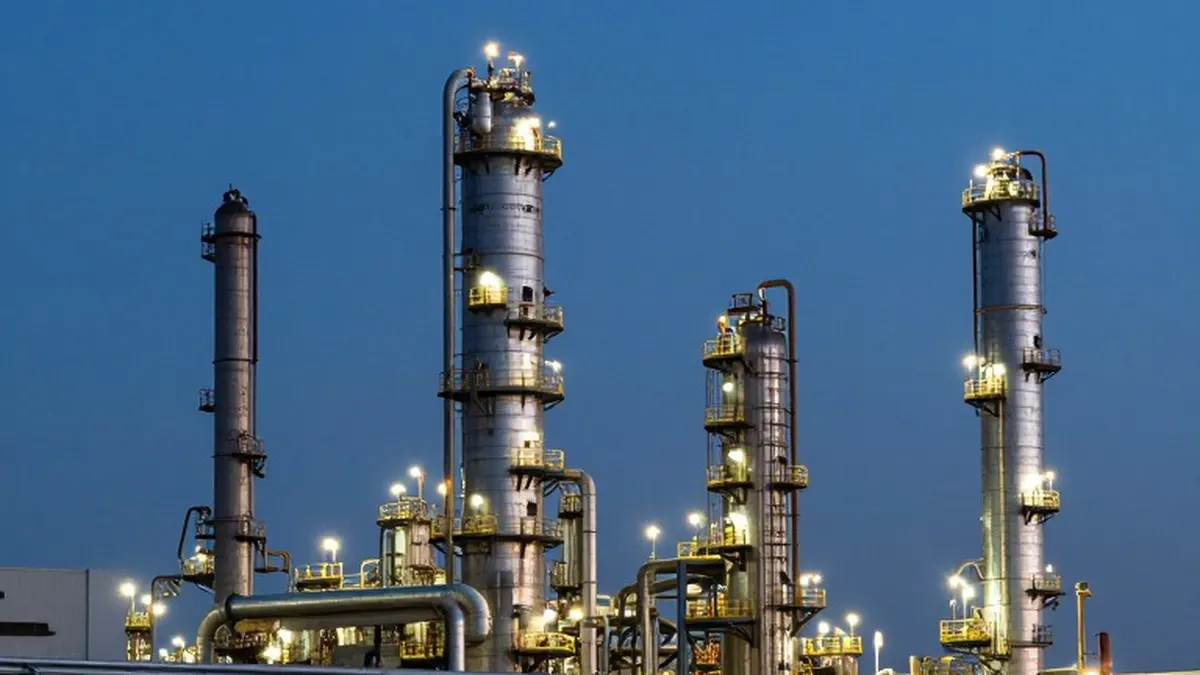
The European Union has broadened its restrictive measures against Russia by including several major oil refineries and petrochemical plants in its latest sanctions package. The move targets key infrastructure within the Russian energy sector, which the EU identifies as a primary source of financial support for the Russian government.
According to the official documentation, the energy sector, particularly the oil industry, provides a substantial source of revenue to the Government of the Russian Federation. By sanctioning specific production facilities, Brussels aims to disrupt the supply chain and reduce the funds available for military operations.
Among the entities added to the list is Gazprom Neftekhim Salavat, which operates an oil refinery in the Republic of Bashkortostan. The company is responsible for producing various petroleum products. Also targeted is Rusinvest LLC, which manages a refinery in Tyumen Oblast and engages in similar production activities.
The sanctions extend to operations in the Leningrad Oblast, where both Volkhov-Eco LLC and the Kirishinefteorgsintez production association are named. These companies operate significant refining facilities in the region. Additionally, Yenisei, which runs a plant in the Republic of Komi, has been included in the package for its role in petroleum product production.
Further down the list, Gazpromneft Moscow Refinery is targeted for its operations in Moscow Oblast. TAIF-NK, based in the Republic of Tatarstan, and Gazpromneft-Omsk Refinery, located in Omsk Oblast, are also subject to the new measures. These additions highlight the geographic spread of the targeted assets across Russia.
Other refineries included in the package are the Khabarovsk Oil Refinery and Orsknefteorgsintez, the latter producing petroleum products in Orenburg Oblast. The list also names the Ilsk Oil Refinery, the Novoshakhtinsky Oil Refinery, Balchug-Petroleum, and the Saratov Oil Refinery, among others.
Beyond specific refineries, the sanctions list encompasses companies involved in the broader energy supply chain. This includes firms dedicated to the exploration and production of energy resources, as well as entities that purchase, transport, and sell Russian oil and petroleum products.
This update was part of a larger sanctions package imposed by the Council of the EU on November 16. The measures affect 12 individuals and 101 entities for their roles in financing Russia's war against Ukraine. The package notably includes the sole shareholder of the Russian retail giant Wildberries and an individual controlling a majority stake in the e-commerce company Ozon.
EU foreign ministers agreed to update the sanctions lists by adding a total of 145 individuals and legal entities. The inclusion of Tatyana Kim, the head of Wildberries, underscores the EU's strategy of targeting both state-linked energy assets and influential private sector figures.
The expansion of these measures reflects a continued effort by the European Union to apply economic pressure on Russia. By focusing on the downstream oil sector, the EU seeks to impact the volume of refined products available for domestic use and export, thereby tightening the financial constraints on the Russian economy.