US flight shutdown and European cyberattacks highlight infrastructure vulnerabilities
An American aviation failure, cyberattacks on European refrigeration systems and disputed Iranian military claims in Bahrain have heightened security concerns, but no public evidence connects them.
By Sergio Nunez ·
A nationwide suspension of US flight departures, destructive cyberattacks against European refrigeration equipment and Iranian claims of drone strikes in Bahrain have brought infrastructure security into focus as Washington and Tehran face growing tensions. The incidents have different established or suspected causes, and no public evidence shows they were part of a coordinated operation.
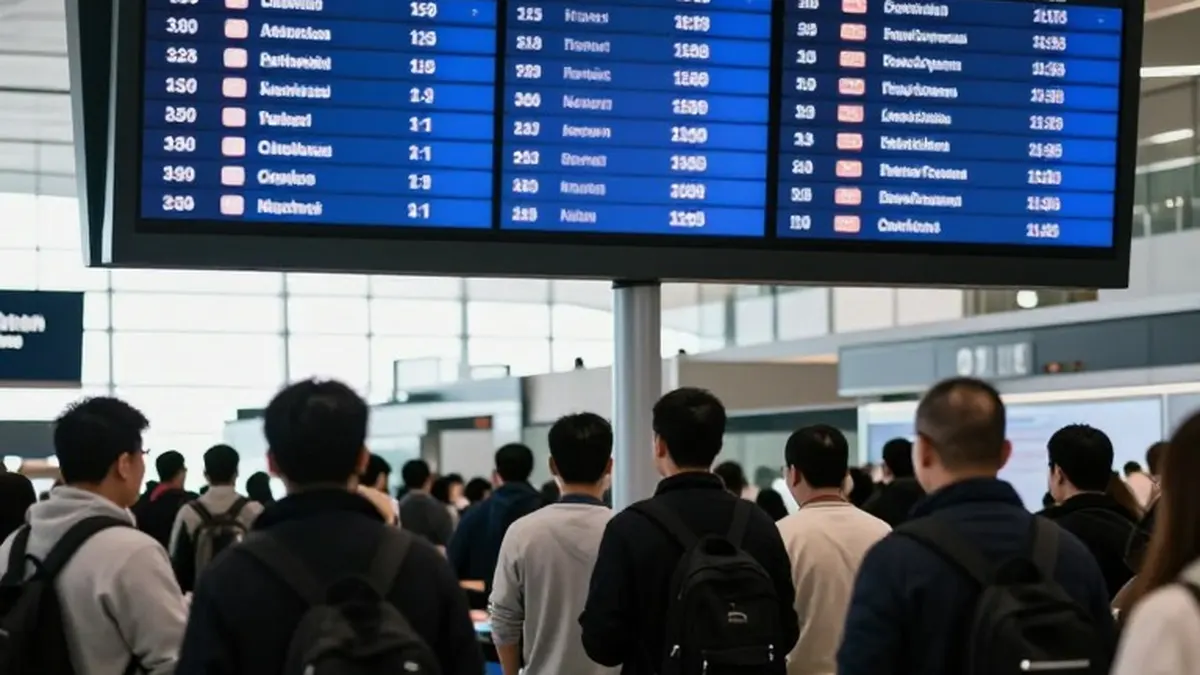
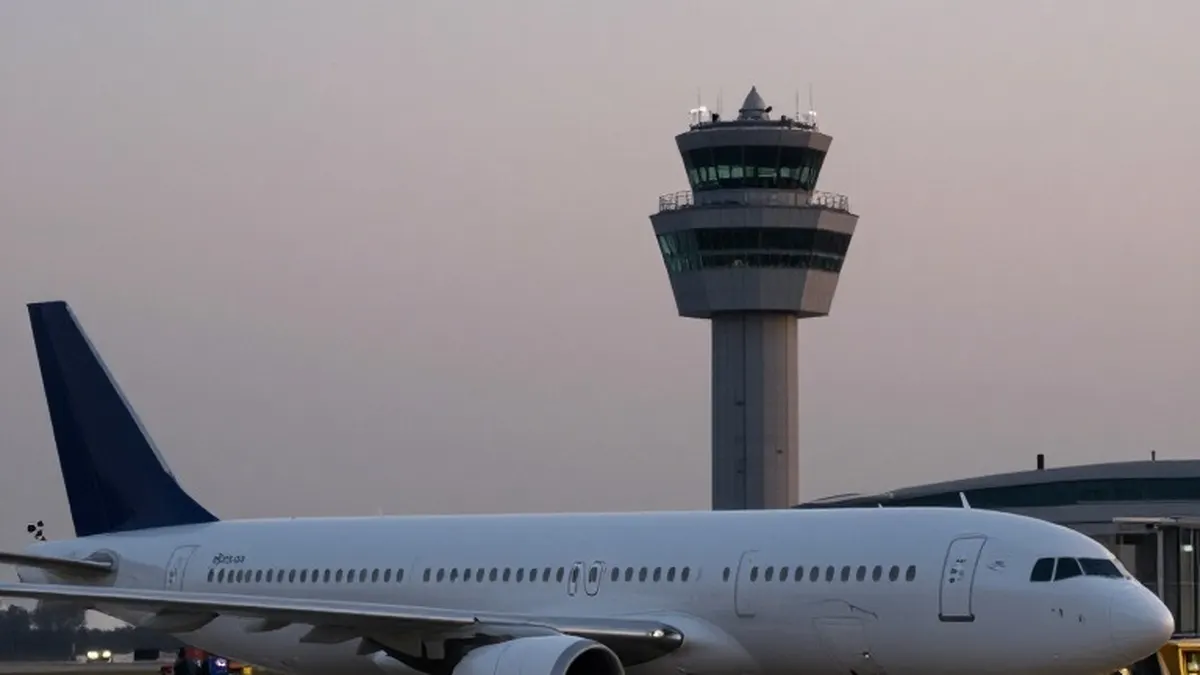
The Federal Aviation Administration halted departures on November 13 after a telecommunications breakdown affected aircraft communications and radar information. The ground stop ran from about 3:30 p.m. to 8:15 p.m. Eastern time. The FAA reported approximately 12,462 flight cancellations that day, although some were unrelated to the shutdown. Travel disruptions persisted through the weekend.
Transportation Secretary Sean Duffy linked the failure to routine work by contractor L3Harris to replace aging copper connections with fiber-optic infrastructure. Investigators identified equipment problems in El Dorado, Arkansas, and Amarillo, Texas. A newly installed router apparently overwhelmed older equipment with excessive network traffic. Seventeen of the FAA’s 22 air route traffic control centers experienced instability. Officials say the evidence does not indicate hacking, sabotage or foreign involvement, while the precise technical cause remains under investigation.
The disruption also renewed arguments over federal oversight and air traffic modernization. Former Biden administration Homeland Security communications official Luis Miranda called for congressional scrutiny and questioned the Trump administration’s management. No evidence has established that government restructuring contributed to the breakdown. The administration has defended its response, and Duffy has urged further investment in replacement technology.
France, by contrast, has formally blamed Iran for attacks on refrigeration controllers at more than 700 retail locations during the night spanning October 11 and 12. French authorities announced the attribution on November 9, identifying Shahid Kaveh, a cyber unit affiliated with Iran’s Islamic Revolutionary Guard Corps. The French Foreign Ministry said manipulated equipment caused fires, damage and food losses worth tens of millions of euros. Paris summoned Iran’s ambassador and said it would pursue additional European Union sanctions. Tehran denied responsibility.
Further refrigeration attacks affected several European countries on November 1 and 2, prompting coordination among European institutions and national cybersecurity authorities. Belgian Interior Minister Bernard Quintin cited indications of Iranian-linked involvement, but Foreign Minister Maxime Prévot said the evidence did not justify formal attribution. France’s findings about October do not establish responsibility for later incidents. German cybersecurity authorities have warned that some refrigeration controllers remain vulnerable, especially when accessible online.
John Keith King, founder of Q Advisory, told The Media Line that interconnected infrastructure can allow a local failure to affect services nationally. He cautioned that matching timelines or methods cannot establish a shared perpetrator without corroborating technical evidence and intelligence. American agencies have separately warned about Iranian-linked targeting of industrial controllers in water, energy and government facilities, but those warnings do not explain unrelated equipment failures.
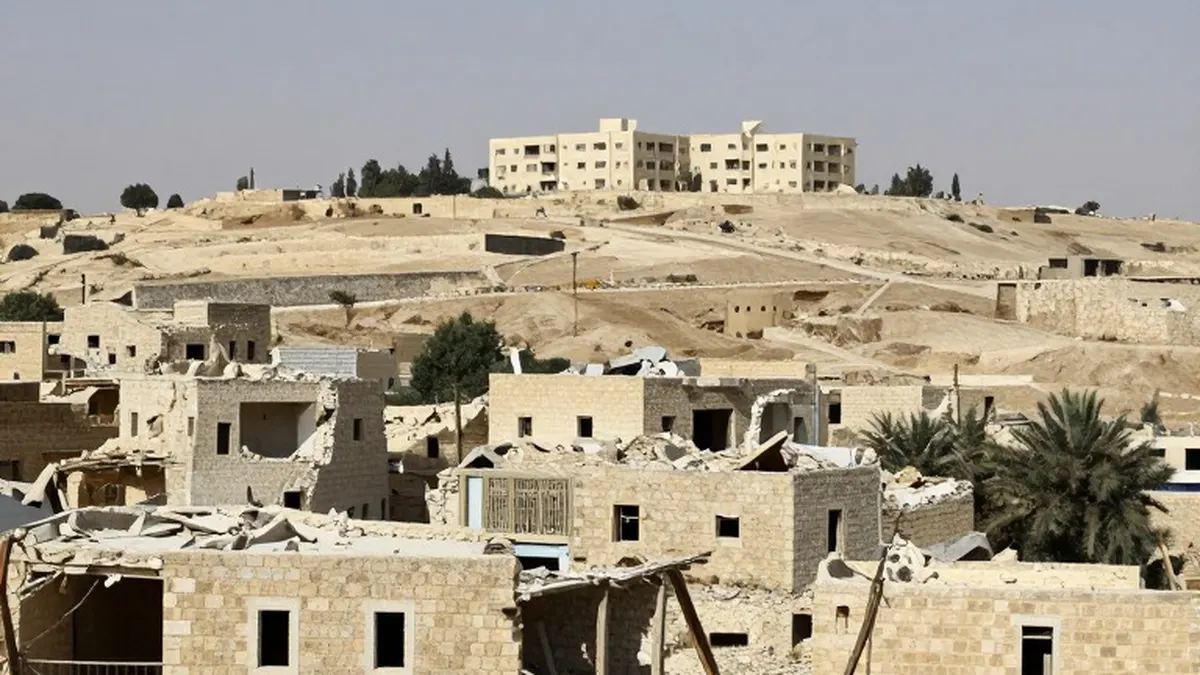
In Bahrain, the Revolutionary Guard claimed on November 15 that six drones targeted an American air-defense radar installation at the Al-Riffa helicopter base. Bahraini authorities reported intercepting several Iranian aerial attacks and advised residents to shelter. Claims that an American radar facility was destroyed remain unverified. After a separate Iranian claim on November 13, US Central Command said American forces intercepted two drones without casualties or damage.
Military deployments have added to uncertainty over Washington’s next steps. The USS Theodore Roosevelt carrier strike group is approaching the Middle East through the Indian Ocean. A November 15 assessment by Israel’s Institute for National Security Studies said two American carriers were already operating within Central Command’s area. Whether the arriving group will reinforce or replace existing forces remains unclear. Washington has announced no new decision to restart major combat operations against Iran.