Iran Warns of Severe Winter Gas Shortage as War Damage to Energy Plants Deepens Hardship
With gas processing plants damaged by US strikes and ports under blockade, Tehran says this winter's shortfall will be worse than usual, stoking official fears of public unrest.
By Francesca Youssef ·
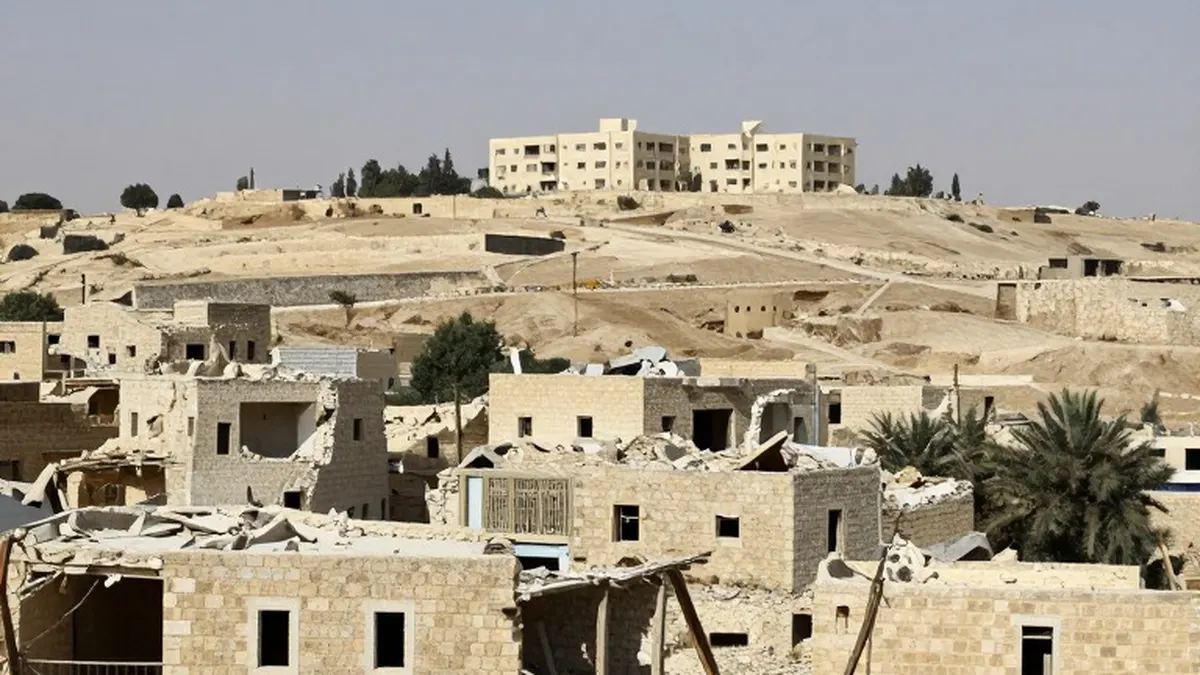
Iran is bracing for what its own government says will be an unusually severe winter gas shortage, a warning that has laid bare the country's vulnerabilities after months of war with the United States, during which its ports have been blockaded and its energy infrastructure hammered by US strikes.
Authorities said last week that although Iran has experienced gas shortages before, this winter's deficit will be worse because of war damage to processing plants, with most regions expected to be affected. The shortfall comes as Iranians already struggle under a conflict that has intensified rampant inflation and destroyed millions of jobs, hardships that senior figures fear could reopen divisions left raw by the crushing of mass protests last winter.
"The reality is that if our gas gets cut off, we'll have to close down and go home," said Seyyed Ahmad Seyyedi, a street vendor. Mina Lahrasabi, 65, who works in a rice factory near Iran's Caspian coast, said the war "must end so that we can return to normal life," adding that continuing under current conditions and high prices was difficult.
A senior Iranian official and an Iranian security official told Reuters the country's hierarchy was increasingly concerned, with the internal fuel shortage adding to worries about public unrest. There have been no notable protests against the ruling system since the war began on February 28 with US and Israeli strikes that killed Supreme Leader Ayatollah Ali Khamenei, but the security official said domestic intelligence agencies were on alert, closely monitoring for any sign of opposition and believing the US might seek to provoke street demonstrations. The senior official described the increasingly difficult living standards as a fire smoldering beneath ashes.
"This is the most severe siege imposed on us since the revolution," said Iranian analyst Saeed Leylaz.
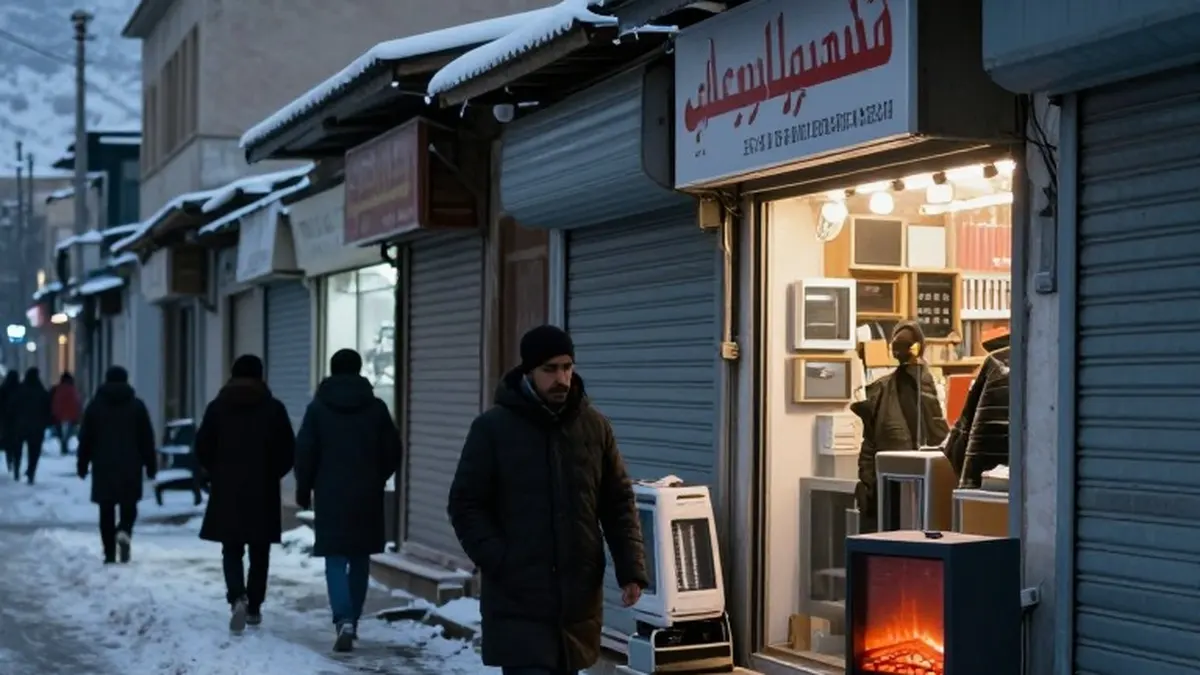
At a heater company in Tehran, salesman Amin Sha'bani said the prospect of a cold winter was concerning and that customers were increasingly considering electric products rather than gas, though both were often now too expensive. "Given what has happened in the past nine months, with power plants attacked, it's perfectly natural to worry that the weather will get colder," he said.
Although Iran is a major gas producer controlling part of the world's biggest gas field, it has sometimes been unable to meet domestic consumption because of outdated equipment, a problem worsened by international sanctions. Government spokesperson Fatemeh Mohajerani said last week that this winter's gas shortage would likely be 430 million cubic meters, compared to 300 million last year. The national gas company has blamed the worsening shortage on damage to four processing plants early in the war, which it says it is trying to fix.
However, the senior Iranian official told Reuters that the measures being taken amounted only to short-term fixes, despite numerous meetings to manage the looming crisis. A second senior Iranian source said Iran was in talks to import gas from Russia. Leylaz said the issue could become critical but that steps had been taken. "In the worst-case scenario, we may have to cut gas supplies to industries for a period, but we have not reached that point yet," he said.
Several Iranians reached by Reuters inside the country by messaging app expressed a more sanguine view. Reza, a 45-year-old in Urmia in the northwest, where winters can bring heavy snowfall, said there was little concern among people he knew and that his family had bought three electric heaters in case. Zahra Hosseini, 44, who works for a food company in Tabriz, said she would not start crying now over what might happen, adding that with inflation, high prices and other difficulties, a potential fuel shortage seemed relatively minor. Iran has also suffered periodic power blackouts in recent years.