Israeli Army Decides Against Evicting Settlers from Jericho Homes
The Israeli military has chosen to keep 13 settler families in occupied Palestinian homes in Jericho to avoid political backlash, despite violations of army regulations and questions over the legality of the properties.
By Ananya Wright ·
The Israeli military has announced that it will not remove 13 settler families from Palestinian residences in the eastern occupied West Bank. According to reports from the Israeli news site Walla on Monday, military officials have decided to retain the settlers in the properties located in the Jericho area to prevent potential criticism from right-wing factions.
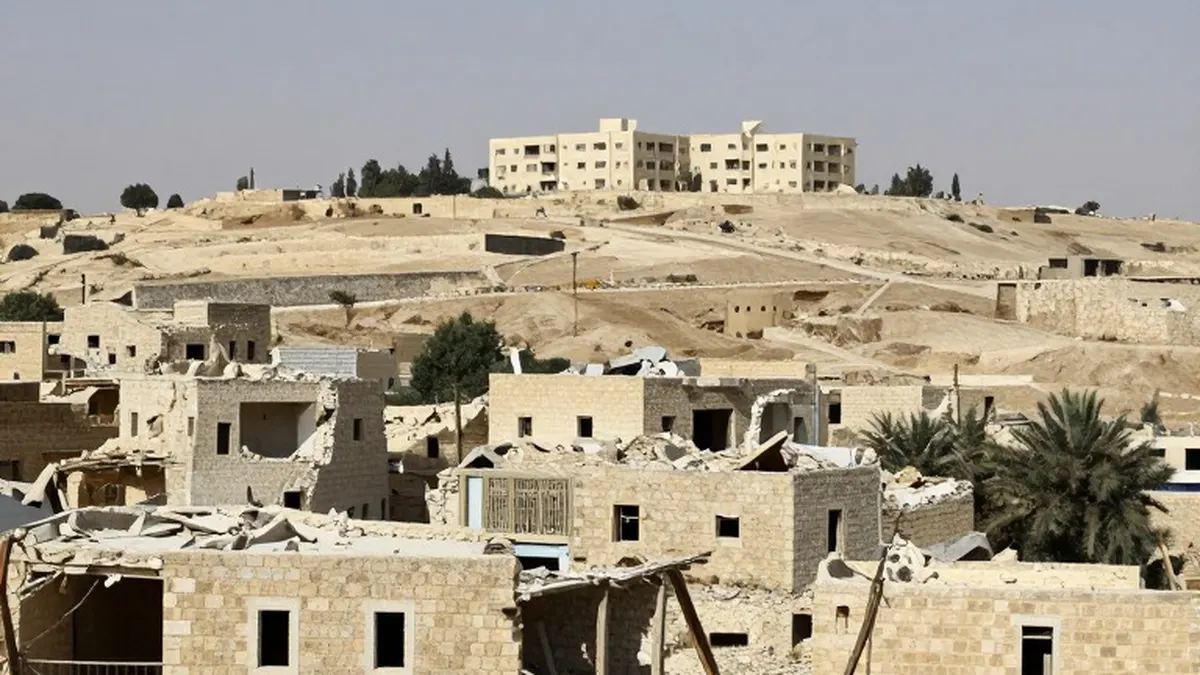
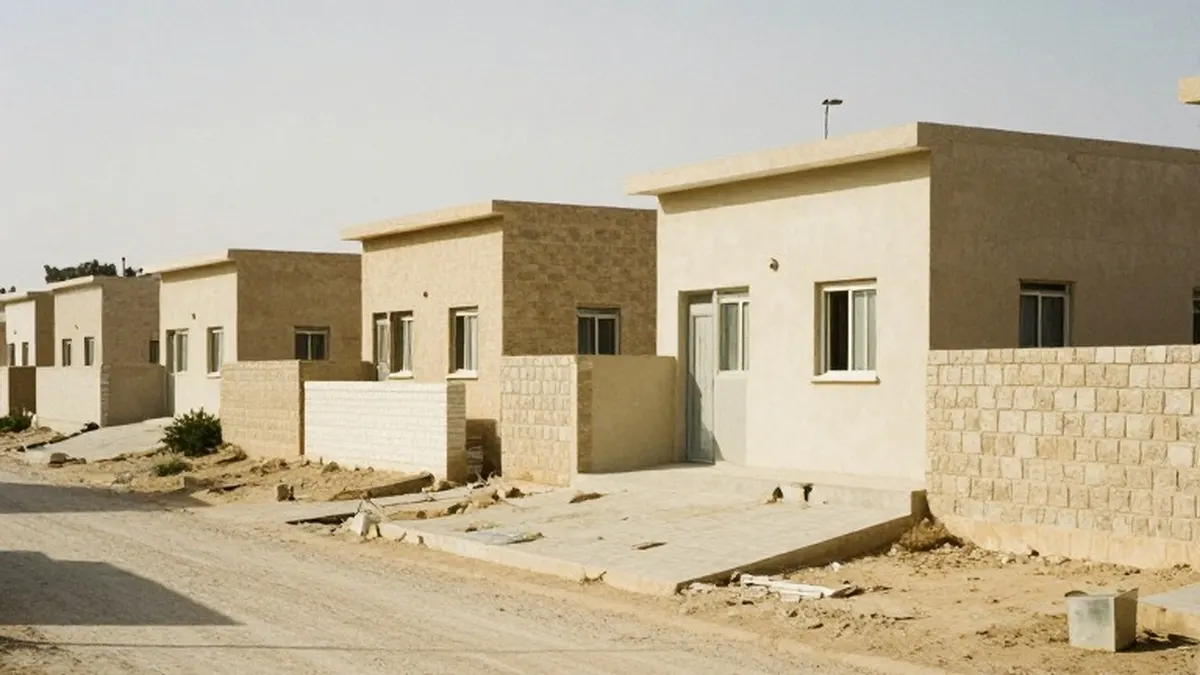
Earlier this month, Palestinian security sources indicated that settlers arrived with their families and entered eight homes in the al-Duyuk al-Tahta neighborhood, which is situated west of Jericho. The residences were vacant at the time of the entry. The settlers reportedly broke down the doors before taking possession of the buildings, according to statements made to the Wafa news agency.
Avi Bluth, the commander of the Israeli army in the West Bank, has officially decided against ordering the evacuation of the settler families. The Walla report suggests that Bluth aims to avoid controversial decisions while Israel’s next government is still being formed. This command decision follows a raid that rights group Peace Now described as involving approximately 30 settlers who assaulted two Israeli activists and shot a Palestinian man in the leg.
The military operation was conducted without prior approval from the army, violating standard regulations. Although the army stated it had no advance knowledge of the plan, the newspaper Haaretz revealed that Bluth was aware of the intended raid. However, he did not inform other commanders until the settlers had already entered the homes.
The settlers occupied properties in Area C, a zone where Israel holds full civil and military control under the 1993 Oslo Accords. An army spokesperson told Walla that the buildings were illegally constructed in this area and were subject to demolition orders. The Civil Administration is currently reviewing the purchase procedures used by the settlers to acquire the homes.
Disputes over ownership have emerged regarding the specific plots of land. Hussein Hamayel, the governor of the Jericho region, told the AFP news agency that the land is owned by the Palestinian Authority and therefore cannot be sold privately. Hamayel characterized the documents presented by the settlers as forgeries rather than valid sales agreements.
Haaretz reported that some of the homes were built on land designated as Israeli state land. Under this scheme, Israel controls large areas of the occupied territory, meaning the properties could not have been legally purchased from private owners. The army has also ordered the blocking of a road leading to Area A, which is under Palestinian Authority control, where Israeli entry is generally prohibited by law.
In the aftermath of the raid, several Palestinian families living in nearby homes relocated due to fears of violent retaliation from the settlers. One woman who left her home told the +972 Magazine that the settlers come armed and shoot those who speak to them. She described the situation as a long-term strategy supported by the government.
Political support for the settlers has been prominent this week. On Sunday, two lawmakers from the far-right Otzma Yehudit party, led by National Security Minister Itamar Ben Gvir, visited the families. Both politicians vowed to repeal the Oslo Accords. Limor Son Har Melech posted a video of the visit, stating that the struggle to cancel the accords is happening both in the Knesset and on the ground.
Her colleague, Hanamel Dorfman, described the families as writing a new chapter in the effort to dismantle the accords. He noted that every new family settling in Jericho strengthens the Jewish hold on the land. The region currently hosts more than 500,000 Israeli settlers living in illegal settlements, alongside a Palestinian population exceeding three million.