Liberman leads new defense panel as Haredi draft debate intensifies
Avigdor Liberman has taken charge of the Knesset’s temporary defense committee, pledging to resolve the long-standing dispute over ultra-Orthodox military service while facing resistance from the current government.
By Francesca Youssef ·
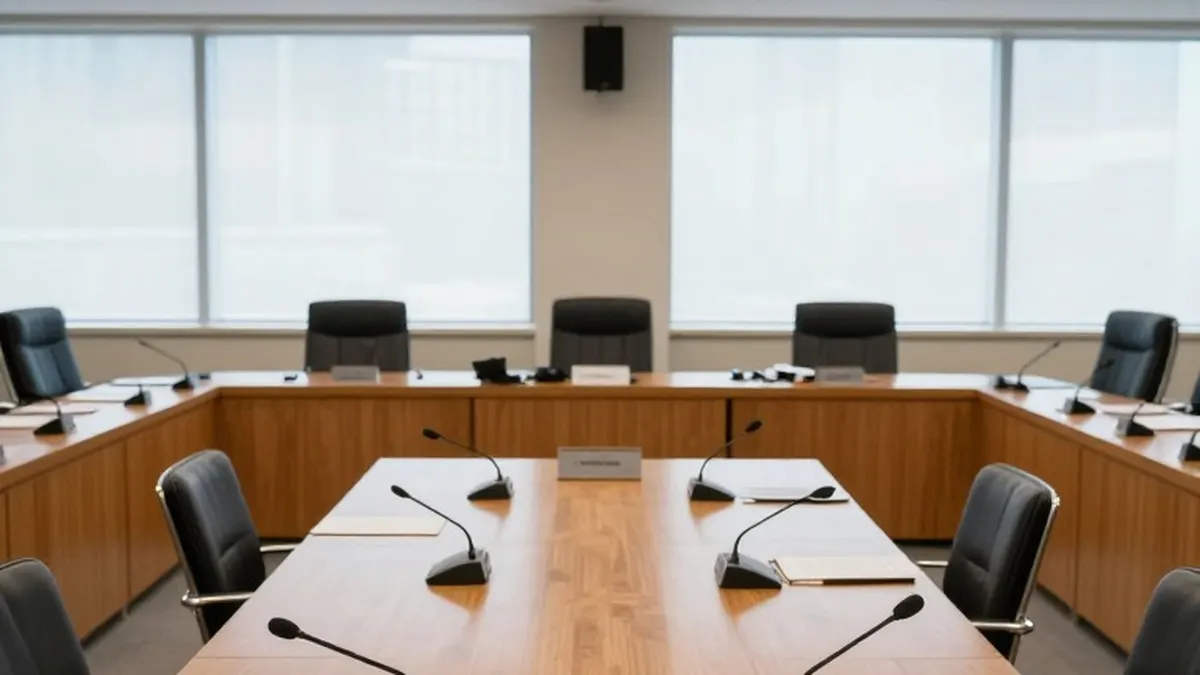
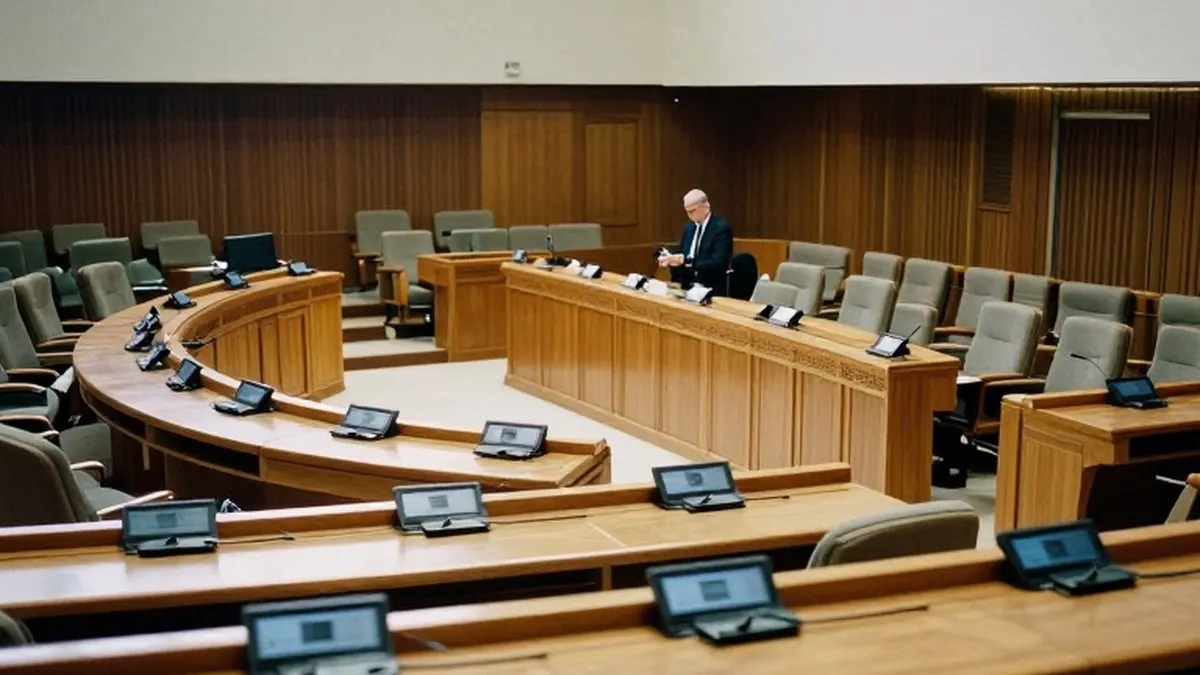
Avigdor Liberman, the chair of the Yisrael Beytenu party, was officially approved on Monday as the head of the Knesset’s temporary Foreign Affairs and Defense Committee. The vote to appoint him was unanimous among the eight members present, with no opposition recorded. This move is part of a broader strategy by the bloc led by Yashar party chief Gadi Eisenkot to secure control of significant parliamentary bodies, even though his faction has not yet finalized a governing coalition.
Liberman indicated that the new committee would immediately begin deliberations on legislation concerning ultra-Orthodox conscription. He announced plans to summon senior security figures for testimony, including IDF Chief of Staff Lt. Gen. Eyal Zamir, Mossad director Roman Gofman, Shin Bet head David Zini, and Israel Police Commissioner Daniel Levy. Liberman emphasized that any proposal for conscription must receive approval from Zamir, the High Court of Justice, and Rabbi Dov Lando, the spiritual leader of the Degel HaTorah faction. He described the resulting law as the fairest possible option, noting that it would not mandate universal conscription for everyone.
The appointment highlights Liberman’s long-standing advocacy for secularist policies and Haredi enlistment. In 2019, he broke away from Prime Minister Benjamin Netanyahu over disagreements regarding military service for ultra-Orthodox men. Although he had maintained a veto against forming a government with ultra-Orthodox parties for years, he recently dropped this stance to help unseat Netanyahu. He has called for "painful" compromises with Haredi factions while insisting on the principle of universal enlistment, using his 2018 draft bill as a foundation for negotiations.
The legal backdrop for this debate was shaped by a unanimous High Court of Justice ruling in June 2024. The court determined that the government must draft ultra-Orthodox yeshiva students because the legal framework for blanket exemptions had expired. It also ruled that a 2023 government decision to pause drafting efforts was illegal. When the current coalition proposed its own regulation in 2025, Liberman’s party criticized it as an evasion law. However, analysts note that Liberman’s 2018 bill is actually weaker than the 2025 proposal, featuring lower annual targets, a longer timeline, and no penalties for individual draft evaders.
The urgency of the issue has grown since the October 7, 2023, attack, which plunged Israel into a multifront war requiring thousands of reserve soldiers. The military has stated it needs 12,000 new recruits to fill its ranks, a demand that was not present when Liberman’s original bill was drafted. In addition to conscription, Liberman said he would address suspicions of foreign interference in the October 27 election, citing "unreasonable" discrepancies between police and Shin Bet investigations. He also called for the urgent creation of an intelligence subcommittee and a joint defense budget committee.
Defense Minister Israel Katz warned against allowing the committee to become a political platform for attacking the IDF. He stated that he would only approve summonses for military representatives on professional grounds after prior coordination. Katz emphasized that the panel should focus on parliamentary oversight rather than political scoring.
Prime Minister Benjamin Netanyahu reaffirmed his support for a national unity government that includes ultra-Orthodox parties. He stated that legislation regarding Torah students would be negotiated in agreement with those parties to ensure the state remains a Jewish state. These comments followed coalition talks between Likud and Yashar, which were held without a reported breakthrough. Eisenkot, who has the mandate to form a government, continues to speak with Haredi parties, though the draft issue remains a significant obstacle to agreement.