Russia’s demands in Ukraine talks raise concerns over NATO unity
Analysts say Moscow’s proposals extend beyond ending the war in Ukraine and could weaken Europe’s collective defence arrangements.
By Ananya Wright ·
Russia is pursuing demands in US-mediated negotiations that analysts say could reshape European security, while withholding agreement on Ukraine’s proposal to freeze fighting along existing front lines. Talks involving Russia, Ukraine and the United States in Abu Dhabi last week brought Moscow’s broader ambitions into focus as Kyiv faces shortages of Western interceptors needed to counter Russian missiles and jet drones.
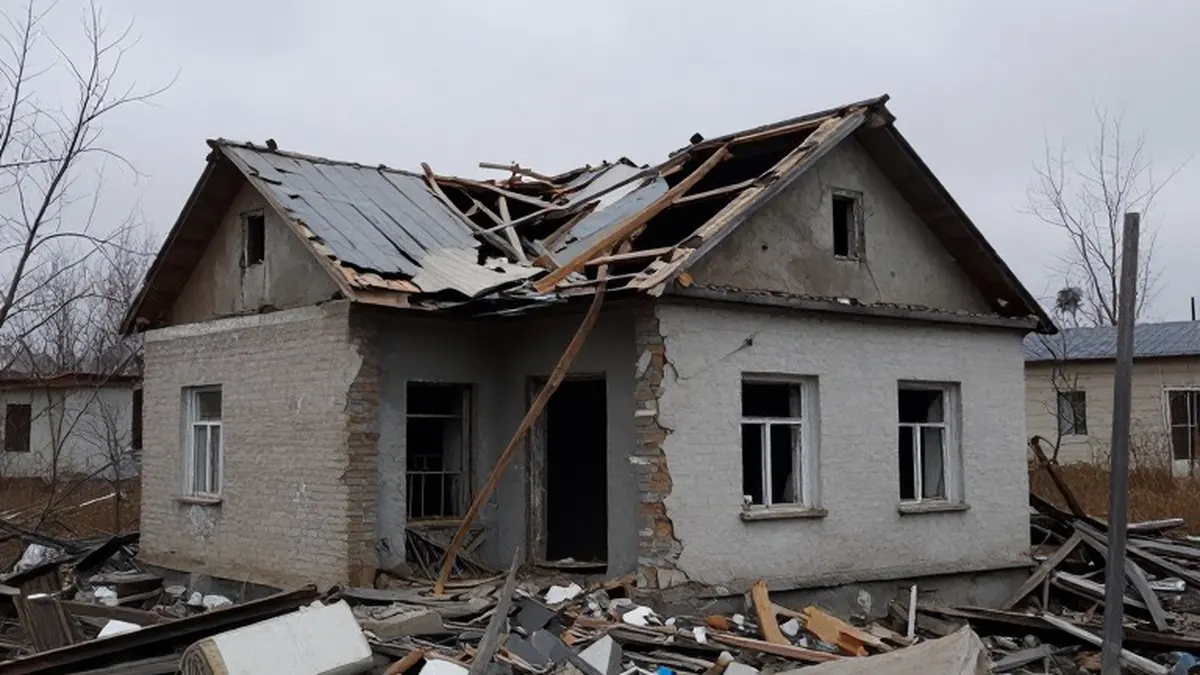
The continuing violence was illustrated on Saturday in Hlukhiv, northern Ukraine, where a Russian drone hit a small house and trapped a nine-year-old boy and his grandmother beneath rubble. Two Ukrainian police officers rescued them, treated the woman’s bleeding arm with a tourniquet and drove them away. A second drone then struck their car, killing officer Mykola Savchenko as he shielded the child with his body, according to Ukraine’s Ministry of Internal Affairs.
Leaked documents obtained by The New York Times, The Economist and several Ukrainian outlets indicate that Russia wants NATO forces withdrawn from Central and Eastern Europe and further expansion of the alliance prohibited. Moscow is also seeking separate nonaggression agreements with European countries. Russian negotiator Alexey Drobinin said after the Abu Dhabi discussions that individual NATO members could receive additional security guarantees from Moscow through such arrangements.
Boris Bondarev, a former Russian diplomat who resigned over the 2022 full-scale invasion, told Al Jazeera that bilateral agreements could erode NATO’s collective defence commitment, under which an attack on one member is treated as an attack on all 32. He said such pacts would probably prevent signatories from joining a future conflict between Russia and another European country. In his assessment, that would leave European states confronting Moscow individually and undermine unity within both Europe and NATO.
Russia presented its demands to US envoys Jared Kushner and Steve Witkoff rather than European leaders. Maria Kucherenko, executive director of Kyiv’s Strategic Intelligence Institute, told Al Jazeera that Moscow preferred negotiating with Washington and described its proposals as a continuation of its maximalist approach. She said Russia would seek to arrange the sequence of steps towards an agreement to its advantage, giving political questions priority over security. Kushner described the negotiations as difficult, complex and emotionally charged.
Ukrainian President Volodymyr Zelenskyy rejected the premises behind Moscow’s demands, writing on X on Wednesday that Russian President Vladimir Putin “lives in a different reality”. Later, Zelenskyy said uncertainty about Russia’s intentions required caution. Ukrainian negotiator Davyd Arakhamia, who has participated in every round since 2022, described the Abu Dhabi session as among the hardest, saying the Russian delegation appeared to be operating under strict instructions.
Prolonged negotiations could also give Moscow time to benefit from political changes in Europe. French far-right leader Marine Le Pen, currently leading the presidential race, has promised to phase out military and financial assistance to Ukraine within six months if she wins April’s election. In Germany, Alternative for Germany leads national polls ahead of Chancellor Friedrich Merz’s Christian Democratic Union and is positioned to win a snap election if the governing coalition collapses. The party favours ending Ukrainian aid, immediate negotiations with Moscow and lifting sanctions to resume Russian oil and gas purchases.
Victories for those parties could intensify pressure on Kyiv while the Trump administration is already urging concessions affecting Ukrainian sovereignty. Kyiv-based analyst Aleksey Kusch told Al Jazeera that Ukraine would struggle to resist a shared European Union and US position, losing its ability to manoeuvre between Brussels and Washington.