Iran denies UN access to nuclear sites pending war conclusion
Tehran states it will block International Atomic Energy Agency inspectors from damaged facilities until the United States meets specific conditions for ending the conflict.
By Sergio Nunez ·
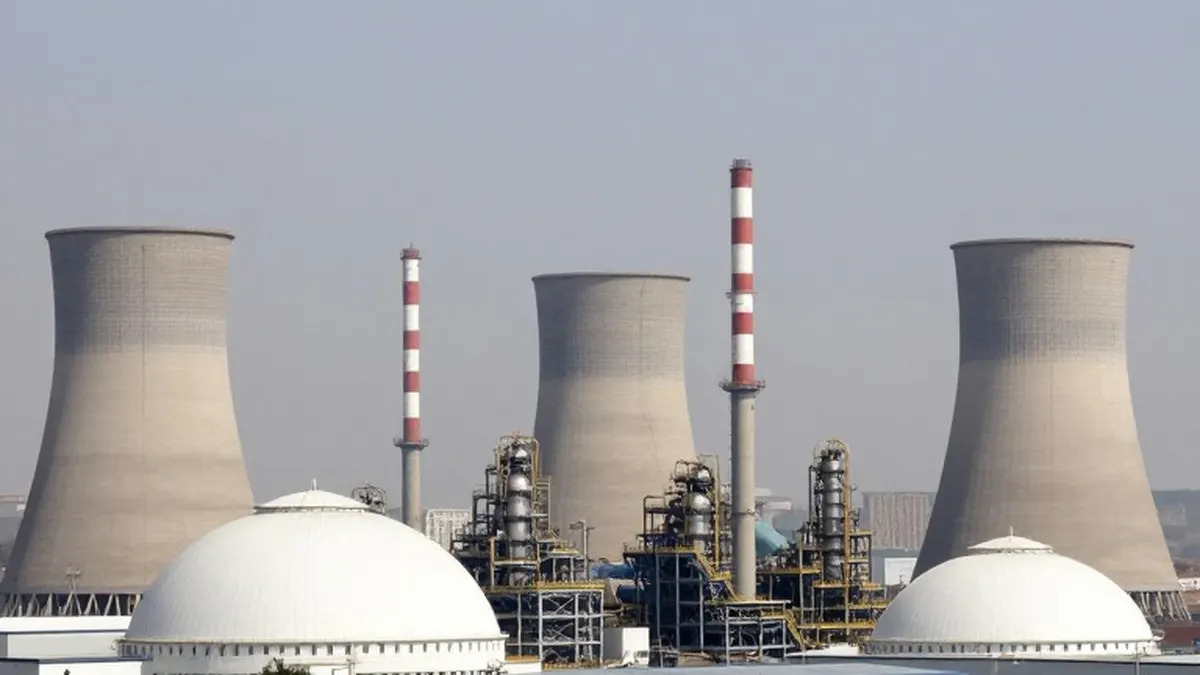
Iran's foreign ministry announced on Monday that it will prevent the International Atomic Energy Agency from accessing its damaged nuclear facilities until specific conditions for permanently ending the war are met by the United States. This decision comes in response to recent calls for the UN watchdog to resume inspections, a process that has been suspended since the twelve day war with Israel last year.
A senior Iranian official confirmed that Tehran will not grant the IAEA access to the affected sites until the Middle East war has concluded and the US agrees to Iran's terms. These remarks were made just days after the IAEA urged Tehran to take steps toward resuming the inspection process, which had been halted following the previous year's conflict when US forces also struck Iranian nuclear infrastructure.
Kazem Gharibabadi, the Deputy Foreign Minister, articulated the government's stance during a televised interview late Sunday. He stated clearly that the agency would not be granted access to the facilities until Iran's conditions were satisfied and the war had permanently ended.
The Iranian nuclear facilities were targeted again during the current Middle East war, which began on February 28. The conflict escalated significantly when US and Israeli strikes resulted in the death of Iran's supreme leader, Ayatollah Ali Khamenei.
Although IAEA inspectors visited the Bushehr nuclear power plant in September, they have not yet been able to gain access to other bombed sites. These excluded locations include the major facilities at Natanz, Fordow, and Isfahan.
Gharibabadi suggested that the agency's request to inspect the damaged facilities was likely aimed at assessing the effectiveness of American weaponry. This perspective highlights the strategic tension between diplomatic oversight and military evaluation in the current context.
Efforts to bring an end to the Middle East war have made little progress so far. Tehran is demanding that Washington unfreeze Iranian assets and lift sanctions among other conditions. In exchange, Iran is willing to reopen the Strait of Hormuz, a vital energy shipping route that it has blockaded during the ongoing conflict.
Iranian officials have indicated that formal talks regarding Iran's nuclear program will take place at a later stage, separate from the immediate negotiations to end the war. Earlier this month, the US military announced a twenty million dollar reward for information on Iran's nuclear program, a move that Tehran described as repugnant.
The situation remains fluid as both sides navigate the complex diplomatic and military landscape. The blockage of UN access adds another layer of complexity to the ongoing efforts to resolve the conflict and restore stability to the region.