Iranian Households: Budgets Tighten Amidst Economic Pressure
Rising costs and economic sanctions are forcing Iranian families to make difficult choices regarding food, savings, and social activities.
By Sergio Nunez ·
A newly married woman in Tehran has seen her savings and plans for the future vanish due to the economic climate. Funds originally intended for a wedding celebration were redirected to a housing deposit, and she now works double shifts to pay off the resulting loan. She told Radio Farda, "Our home has turned into the place we just sleep," illustrating how her daily life has become entirely focused on work to cover expenses.
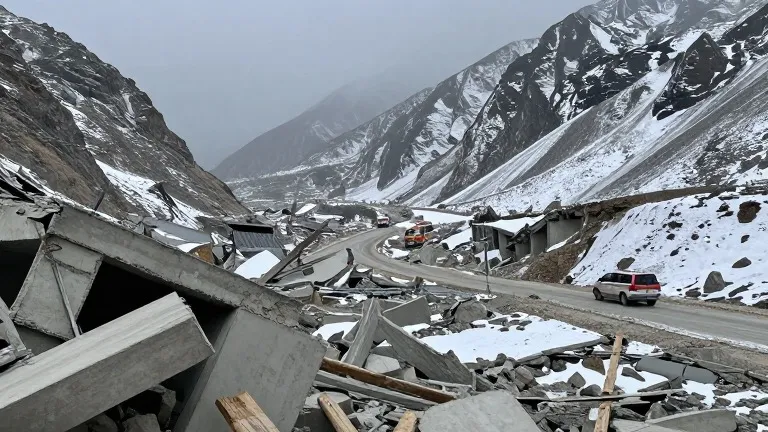
This experience is becoming common across the country as inflation, international sanctions, and a weakening currency make basic necessities harder to afford. The strain has increased significantly since a conflict began on February 28, which damaged infrastructure and disrupted trade. A US naval blockade has reduced oil exports and imports, while attempts to control shipping in the Strait of Hormuz have further complicated the flow of goods.
The cost of preparing meals at home has risen sharply as a result. A survey in central Tehran found that cooking chicken with barberry now costs nearly twice what it did a year ago. A serving of ghormeh sabzi, the herb stew known as Iran's national dish, alongside rice can cost 23 million rials, which is approximately $8.45.
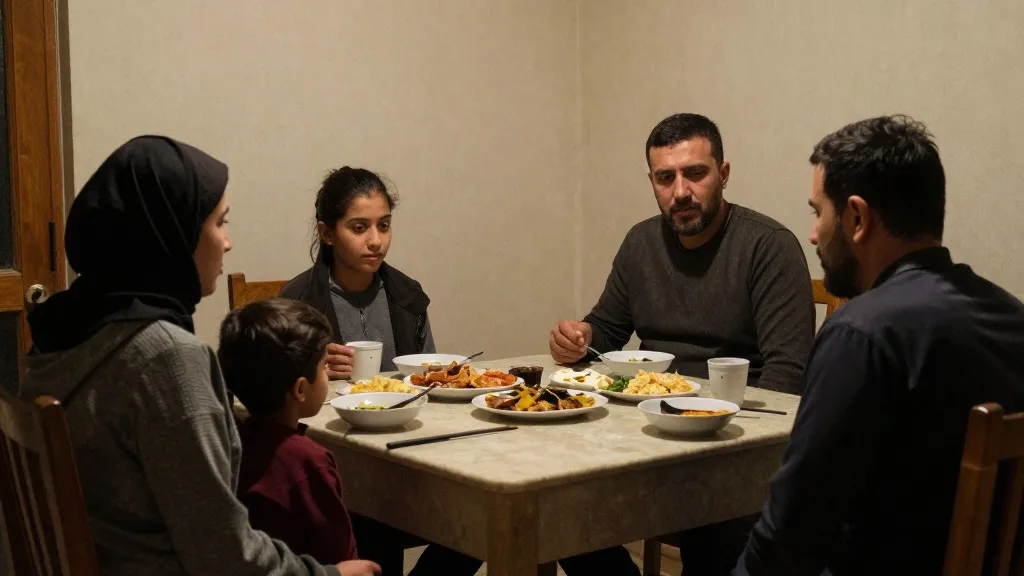
Families are adjusting their diets to cope with these prices. One woman explained that her household reserves meat and chicken for the children, while the adults switch to legumes and meat substitutes. She expressed concern that if prices continue to climb, even the children's meals may eventually lose meat.
Data from Factnameh, an outlet based in Canada, indicates that a basket of 11 essential food items cost 56 million rials, or about $20.70, per person in September. For a family of three, this totals over 168 million rials. The government's food voucher covers less than 18 percent of the per-person cost, a drop from about 30 percent in December 2025. Annual inflation reached 89.9 percent in September, while the average monthly wage is estimated at around $100.
The pressure affects a wide range of income levels. A retired woman living on a monthly pension of 180 million rials, roughly $66, has reduced meals containing meat since March to protect her health. She notes she is fortunate to pay no rent. However, even those earning above average are struggling. A man in western Tehran with household earnings of a billion rials, or $367, stated, "I can live for today, but I have no savings for tomorrow," noting he no longer travels or dines out.
Socializing has also changed for younger residents. A 28-year-old woman earning 400 million rials a month said she and her friends no longer visit cafes weekly. Instead, they sometimes order one dish for every two people to share the bill, as splitting costs is the only way they can afford to meet up.