Iraqi PM issues ultimatum to Kataib Hezbollah over Jurf al-Sakhar control
Prime Minister Ali al-Zaidi has ordered federal forces to retake a key militia stronghold, marking a significant escalation in efforts to assert state authority.
By Sergio Nunez ·
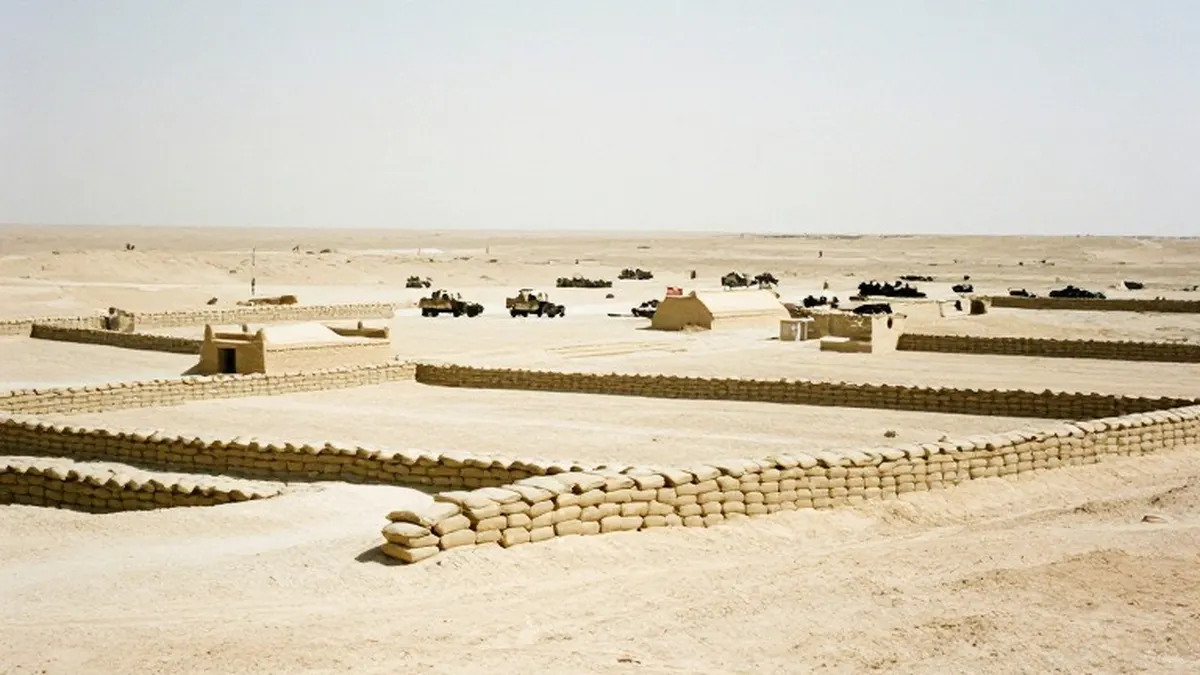
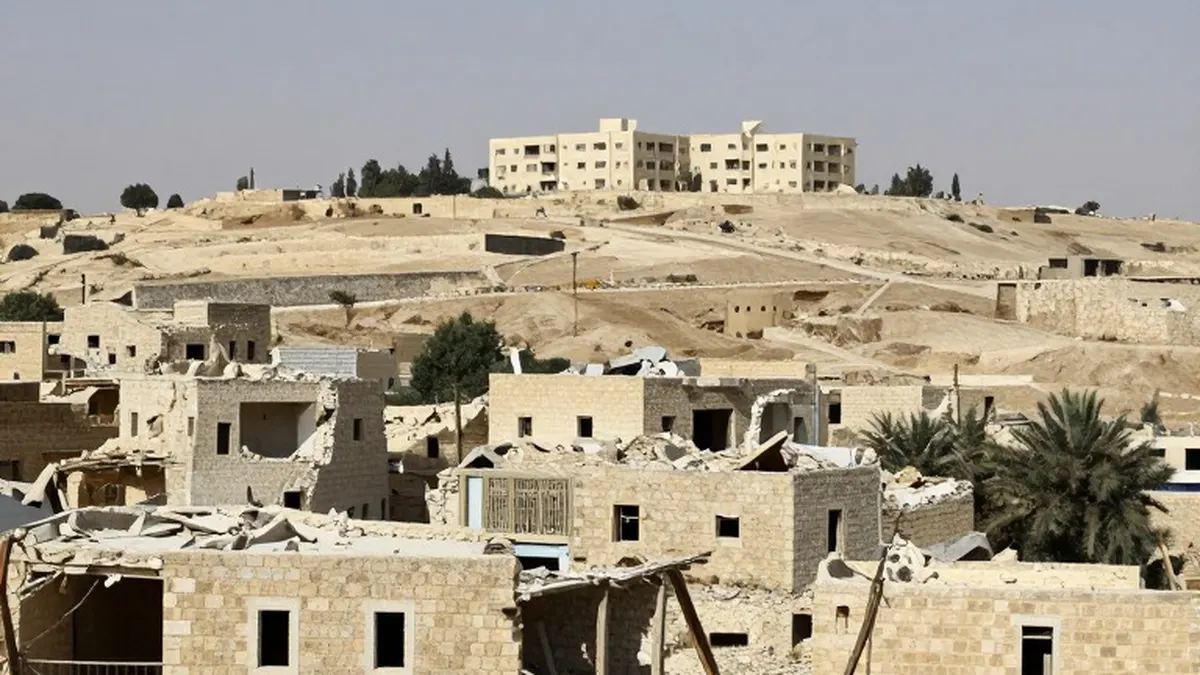
Iraq is currently navigating a significant political shift as Prime Minister Ali al-Zaidi confronts Iranian-backed militias over the control of Jurf al-Sakhar. This dispute represents a major turning point for the country, although many observers find the complex landscape of militia groups difficult to navigate. The area, also known as Jurf al-Nasr, is located in Babil governorate southwest of Baghdad and has served as a stronghold for Kataib Hezbollah since it was recaptured from ISIS in 2014.
The current crisis intensified after intelligence reports suggested that oil had been stolen from local pipelines since 2021. In response, the prime minister established an investigative committee, dismissed nine security and administrative officials, and ordered preparations to restore federal security control. Kataib Hezbollah has denied the smuggling allegations, arguing that the government is applying political pressure. According to local reports, the prime minister has given the militia a 48-hour ultimatum to hand over the area.
Ali al-Zaidi emerged as a little-known candidate during the leadership selection process following the November 2025 elections. He was born in Baghdad to a family from Dhi Qar province and holds degrees in law, finance, and banking. Before entering politics, he chaired the National Holding Company, a conglomerate with diverse interests. Zaidi received support from US President Donald Trump and was approved by parliament on May 14, 2026, succeeding Mohammed Shia al-Sudani.
Since taking office, Zaidi has focused on strengthening state institutions, combating corruption, and bringing armed factions under government control. He is the eighth prime minister since the 2003 US invasion. His efforts to restrict militia autonomy have placed him in direct confrontation with groups like Kataib Hezbollah. The outcome of the Jurf al-Sakhar dispute will test the government's ability to challenge both militia independence and Iranian influence in the region.
Iranian-backed Shiite militias have grown into powerful military and political forces since 2003. Many operate within the Popular Mobilization Forces, a state-backed paramilitary group, while maintaining independent command structures tied to Iran's Islamic Revolutionary Guard Corps. Major groups include Asaib Ahl al-Haq, the Badr Organization, and Harakat Hezbollah al-Nujaba. These militias have frequently attacked US forces and diplomatic facilities, with at least 600 attacks recorded since the war with Iran began.
The United States has designated several of these groups as Foreign Terrorist Organizations. Kataib Hezbollah was designated in 2009, followed by Asaib Ahl al-Haq in 2020. In September 2025, Washington added four more groups to the list, including Harakat al-Nujaba and Kataib al-Imam Ali. The Badr Organization is not currently designated as an FTO, though its leaders face individual sanctions.
Iraq is a complex nation with a population of approximately 48 million. The country is predominantly Shi’ite Arab, making up around 60 percent of the population, while Kurds account for about 15 percent. The remainder consists primarily of Sunni Arabs, along with Christian, Yazidi, and other minorities. The Kurdish political scene is dominated by the KDP and PUK, which maintain their own Peshmerga forces.
Geographically, Iraq shares a long border with Iran, which grants Tehran significant influence over the region. It also borders Saudi Arabia and has a history of conflict with both neighbors. The country continues to recover from the ISIS war while managing its position at the crossroads of regional tensions. The current standoff in Jurf al-Sakhar highlights the ongoing struggle to balance local power dynamics with central government authority.
Shiite political leaders in Iraq are currently seeking to mediate the dispute, while Baghdad considers deploying security forces. The situation remains fluid as the government moves to assert its presence in an area that has been effectively controlled by Kataib Hezbollah for over a decade. This confrontation serves as a critical test for the new administration's mandate to reduce the power of non-state actors.