Jordan restricts Telegram access following regional security crackdown
Amman has blocked the popular messaging platform to combat the spread of illegal content and extremism in the wake of a deadly church attack.
By Ananya Wright ·

Jordanian authorities have implemented a ban on the Telegram messaging application, citing a need to reduce the spread of illegal content and what officials characterize as extremist material. The decision marks a significant shift in the country's digital landscape as security forces tighten their grip on communication channels.
The Public Security Directorate announced the new measure in a public statement released on Monday. This action comes during an intensified security crackdown that has followed a series of violent incidents, most notably the killing of nine people in an attack on a Greek Orthodox church last month.
In its guidance to the public, the PSD urged citizens to exercise heightened caution while using social media applications. The authority advised residents to avoid interacting with accounts, links, or entities of unknown origin. Additionally, the directorate requested that any unlawful practices or content be reported through official channels to aid in the investigation process.
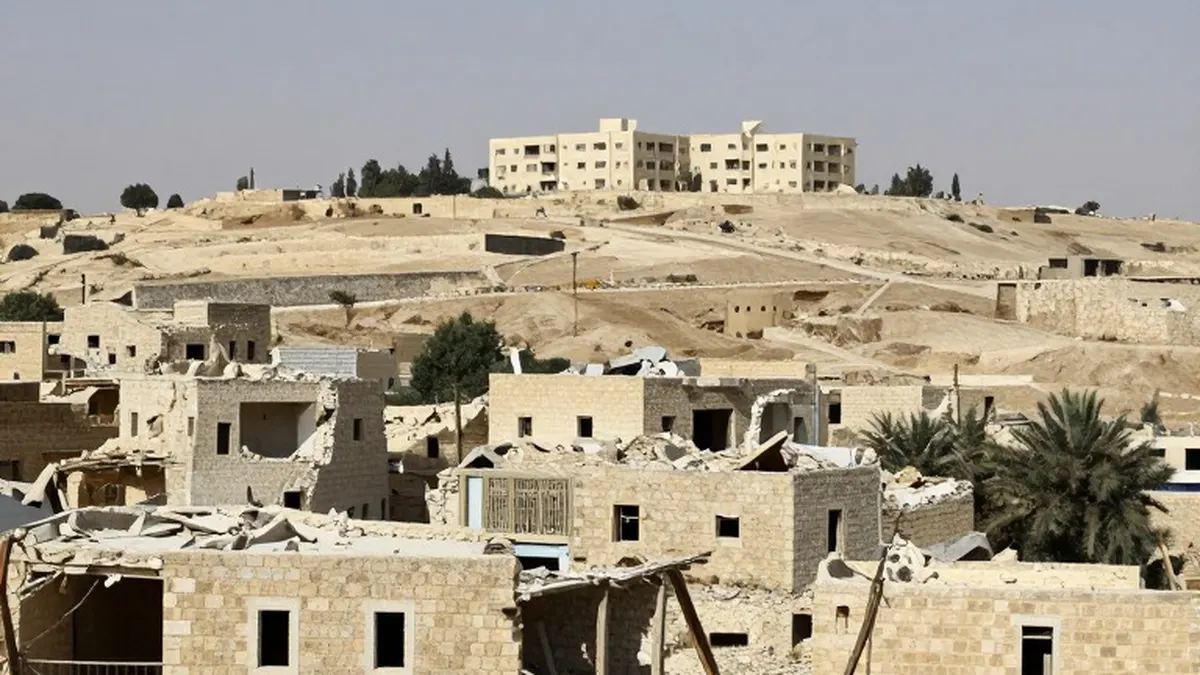
The triggering event was a shooting incident that occurred in the village of Hammoud, located in the west-central governorate of Karak. The violence resulted in nine fatalities and prompted a swift judicial response. On Sunday, three men were sentenced to death by hanging in connection with the attack on the religious site.
The church shooting also led to military action across the border. Jordan launched air strikes against neighboring Syria, a move that Amman stated resulted in the death of 20 members of the ISIL armed group. Authorities have linked this specific cell to the church attack, highlighting the cross-border nature of the threat.
Security concerns have been further compounded by recent events within the capital. Earlier this month, a security officer was killed and another was wounded in Amman. The government described this incident as another terrorist attack, reinforcing the rationale for the broader digital restrictions currently in place.
Telegram, which was founded in 2013 by Russian entrepreneur Pavel Durov, is believed to be a favored platform for groups such as ISIL. The app's structure and popularity make it a focal point for security agencies monitoring potential threats in the region.
The ban arrives amid ongoing legal battles involving the platform's founder. In July of this year, Russia issued an arrest warrant for Durov, accusing him of aiding terrorism. The 42-year-old is currently believed to be residing in Dubai, United Arab Emirates, where he faces the possibility of a life sentence in a Russian prison if found guilty. He is also the subject of investigations in several other nations.
Although Telegram supports end-to-end encrypted chats, not all conversations on the platform are encrypted by default. The messaging service maintains a strong user base in the Middle East and North Africa, a region that accounts for approximately 8 percent of the app's global users.