Jordan bans Telegram citing extremism concerns after church attack
Jordan announced restrictions on the messaging platform after an October church shooting that killed seven people and wounded 34.
By Sergio Nunez ·

Jordan announced a ban on Telegram on Monday, November 16, citing concerns about extremism and radicalization following a deadly church attack last month. The Public Security Directorate said the restriction on the instant messaging service was intended to protect society from efforts to spread extremist ideas, which it described as threats to public security and national interests.
The announcement followed an October 23 shooting at a Greek Orthodox church in Jordan's southern Karak governorate. Seven people were killed and another 34 were wounded. On Sunday, a Jordanian court sentenced three men to death by hanging in connection with the attack. Authorities described the men as adherents of a hardline Islamist ideology.
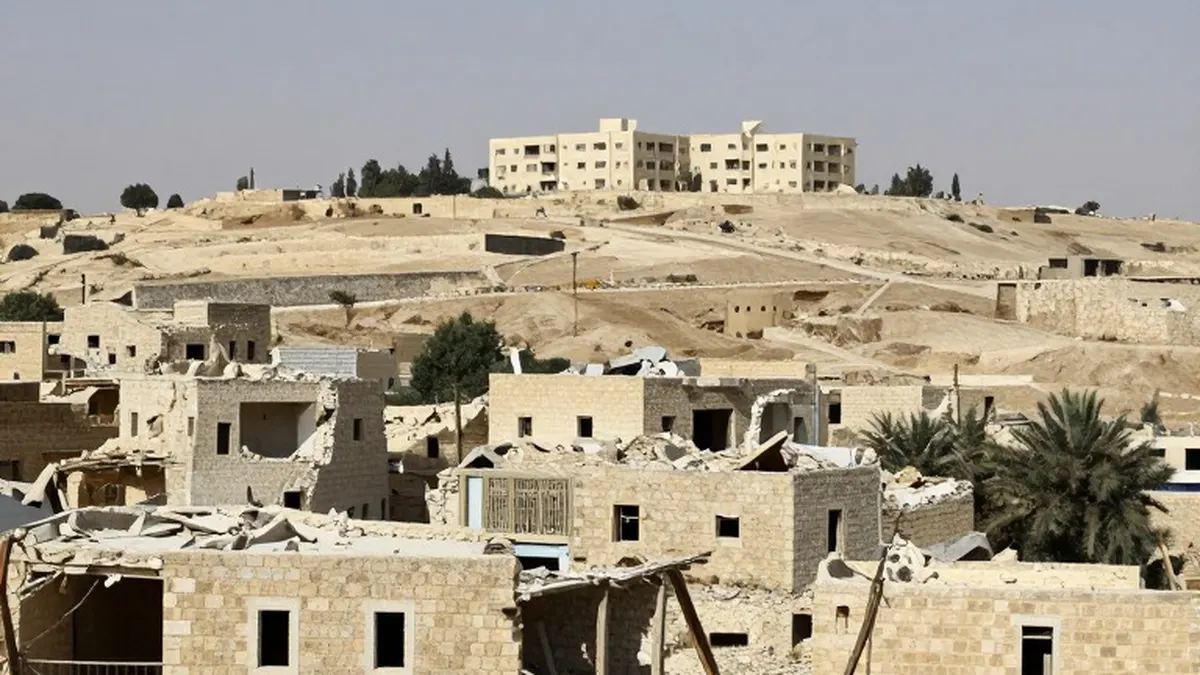
Jordan responded to the church shooting by carrying out airstrikes in neighboring Syria. The government said those strikes killed 20 militants from the group known as Islamic State. It also acknowledged that civilians were among those killed in the operation, without specifying their number.
Violence targeting Christian minorities is highly unusual in Jordan, a relatively stable country in the Middle East. Jordan is a close United States ally and maintains both diplomatic and military relations with neighboring Israel. Christians account for about 3% of its population of 10 million, and the country has one of the world's oldest Christian communities.
Telegram is not the first social media or messaging platform to face a ban in Jordan. In December 2022, authorities blocked TikTok, citing videos that they said encouraged killing and chaos. The latest decision places Telegram under a similar restriction, with authorities again pointing to concerns about security and the spread of harmful material.
Islamic State militants have used Telegram over the years to distribute propaganda and communicate. Russian-born billionaire Pavel Durov developed the app with his brother Nikolai, launching it in 2013. Durov is now based in Dubai.
In July, Russia said it had charged Durov with aiding terrorist activities. Russian authorities accused Telegram of hosting tools used to organize deadly attacks and acts of sabotage across the country. Durov has rejected those allegations, saying the service has exceeded its obligations to moderate content and help authorities combat crime.
Durov describes himself as a libertarian. His disputes with governments have repeatedly centered on their demands for greater access to Telegram.