Texas Voters Reject School Tax Hikes
Georgetown and Round Rock districts must now find cuts to fund staff raises after property tax measures failed on Nov. 3.
By Sergio Nunez ·
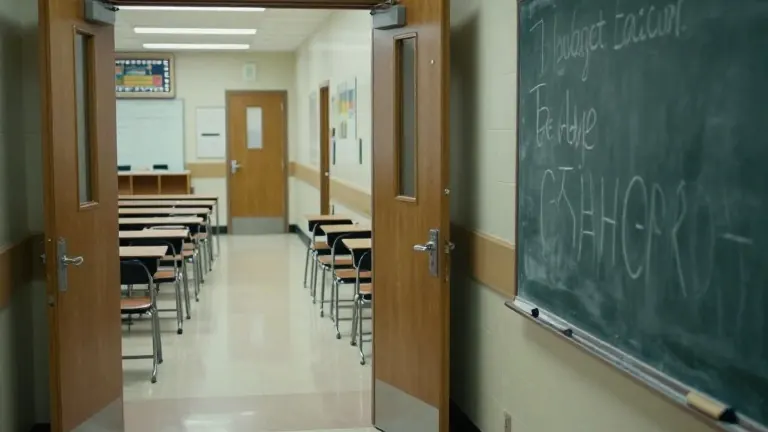
Texas voters rejected most school funding measures in the Nov. 3 election, forcing districts to rethink their financial strategies. Only four out of 33 proposed measures passed statewide, a result that leaves local education leaders searching for alternative ways to pay their employees.
In Georgetown, 51.56% of voters opposed a tax increase that would have generated $8.4 million annually for the district. The funds were intended to raise teacher salaries by 3.5% to 4% and staff salaries by 3%. Superintendent Devin Padavil stated that leaving compensation unchanged is no longer an option for the district.
"The most important thing we do for kids is put high quality teachers in every classroom, so we have to ensure we have a supportive culture and competent compensation," Padavil said. He explained that providing these raises will require the district to reduce costs elsewhere in the coming months.
The Georgetown district plans to consider staff reductions and further budget cuts to campuses and departments. These changes could lead to larger class sizes and modifications to student programs. Padavil noted that the district maintained a balanced budget for two consecutive years but has reached a point where compensation increases demand additional cuts.
In Round Rock, 52.3% of voters voted against a tax hike designed to produce $30 million per year. Approximately half of that revenue would have been claimed by the state through a recapture process. The district intended to use the money to grant a 2% salary increase and improve contributions to employee health care.
Superintendent Hafedh Azaiez said the district could not afford raises from its existing budget. "Because of the constraints we have in our budget, we couldn't use our own budget to give a raise to staff, so that was the only option for us, if we want to give a raise and help offset some of the increasing cost of living," he said.
Unlike Georgetown, Round Rock does not plan immediate budget cuts. Instead, the district is shifting its focus to the next legislative session. Azaiez is coordinating meetings with newly elected officials, including Governor-elect Gina Hinojosa, to align priorities and discuss systemic changes to school funding.
Azaiez hopes legislators will increase the basic allotment for districts. This change would allow schools to address inflation and provide staff with meaningful raises without relying solely on local property taxes. He described the current situation as a necessity to maintain competitiveness in the hiring market.
Rachel White, a professor at UT Austin, described the election results as a surprising juxtaposition. Many newly elected Democrats, including Hinojosa, have pledged to increase public education funding. White suggested that voters may be signaling a preference for systemic state-level changes over local property tax increases.
"For a long time, the local leaders have been asked to do more, and in some cases are doing more while not actually seeing that money stay in their communities, so to me, this indicates that with the vote for Gina, voters want public schools funded, but they want it to be funded through a different system," White said.