Yemeni government forces withdraw from Bab al-Mandab area, leaving Houthis in control
Saudi-backed troops are redeploying to defend Aden after ending an offensive to regain territory overlooking the strategic Red Sea shipping gateway.
By Francesca Youssef ·
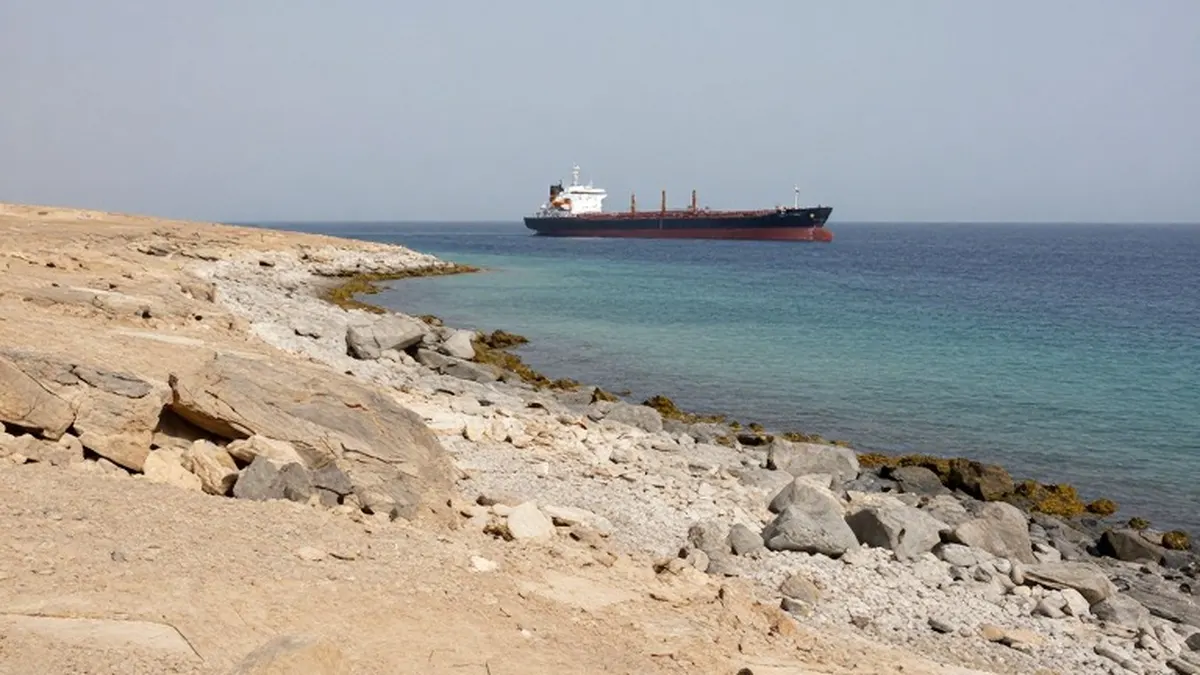
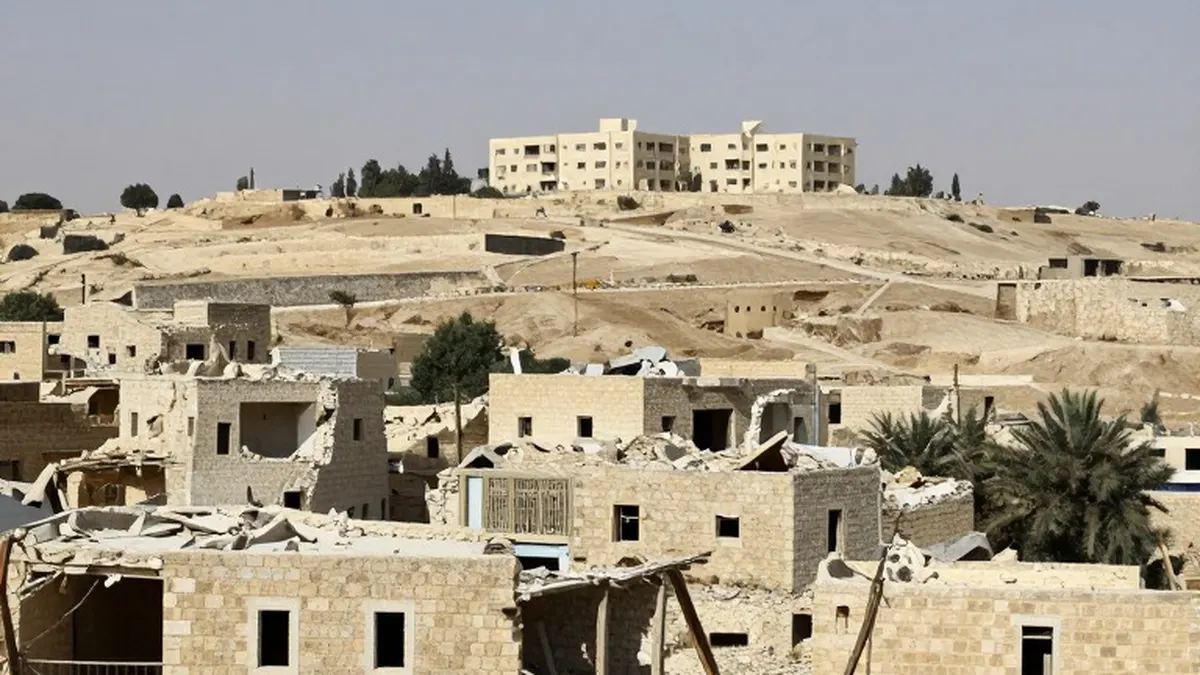
Saudi-backed Yemeni forces have announced their withdrawal from territory overlooking the Bab al-Mandab Strait, leaving the Iran-backed Houthis in control of the area. Yemen's military said troops were being moved from the shipping gateway at the southern entrance to the Red Sea to help defend Aden, the government's interim capital.
The announcement on Sunday brought an end to a weeks-long campaign to regain the area following a surprise Houthi offensive in September. That advance disrupted global oil exports and forced thousands of people to flee. Houthi-run media subsequently reported on Sunday that the movement had taken control of the territory. Saudi Arabia has not commented on the withdrawal.
Forces aligned with Yemen's internationally recognised government had said in early October that they had secured the strait. Their campaign followed Houthi claims in September that they had captured Perim Island, at the strait's mouth, and the strategically important port city of Mokha. The government forces now say reinforcements are needed on other fronts, with Aden taking priority.
Reuters reported that a Southern Armed Forces statement identified Dhubab Airport and the Bab al-Mandab area as the locations from which troops were being withdrawn. The statement said the redeployment was intended to strengthen front lines and respond to existing threats.
When the Houthis seized the area, they said international shipping could continue through the waterway without threat from them, although Saudi vessels would remain targets. Their advance nevertheless helped drive up global oil prices. Saudi Arabia had become reliant on the Red Sea to export oil after the war involving the US, Israel and Iran effectively shut the Strait of Hormuz.
Saudi Arabia carried out hundreds of air strikes in response, while the Houthis fired hundreds of missiles and drones towards Saudi cities and infrastructure. The UN estimates that nearly 330,000 people have been displaced in Yemen as fighting has intensified. Reports indicate that hundreds have been killed.
Yemen's civil war began in 2014 when the Houthis drove the government out of Sanaa, the capital. The conflict intensified the following year after an Arab coalition led by Saudi Arabia intervened to try to return the government to power.
An informal ceasefire that had lasted four years began breaking down in July. The Houthis declared a maritime embargo against Saudi Arabia and launched drone and missile attacks on Saudi airports, oil installations and Red Sea tankers. They described the attacks as retaliation for a Saudi blockade of ports and airports under their control and for a strike on Sanaa airport that they attributed to the kingdom.