Albania's capital sees 300 hurt as police clear anti-government crowds
The latest clash in a months-long standoff saw thousands confront police in Tirana, with demonstrators setting symbolic cushions ablaze after a bid for talks failed.
By Ananya Wright ·
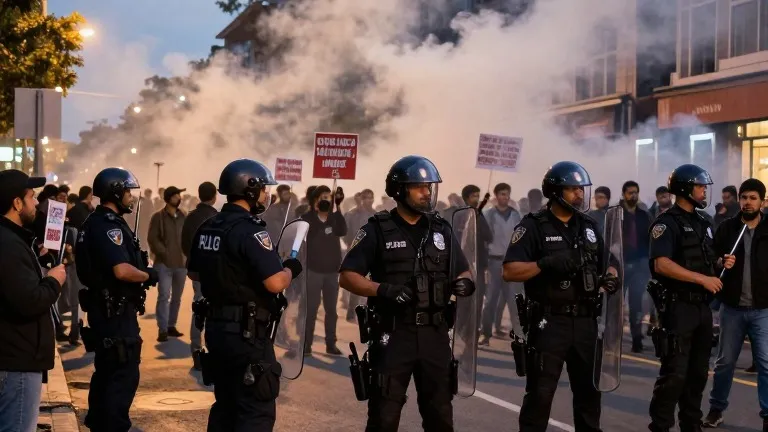
More than 300 people were injured in Tirana on Saturday as Albanian police used force to break up a large antigovernment demonstration. The casualties included both protesters and officers. Authorities also reported that dozens of demonstrators were taken into custody.
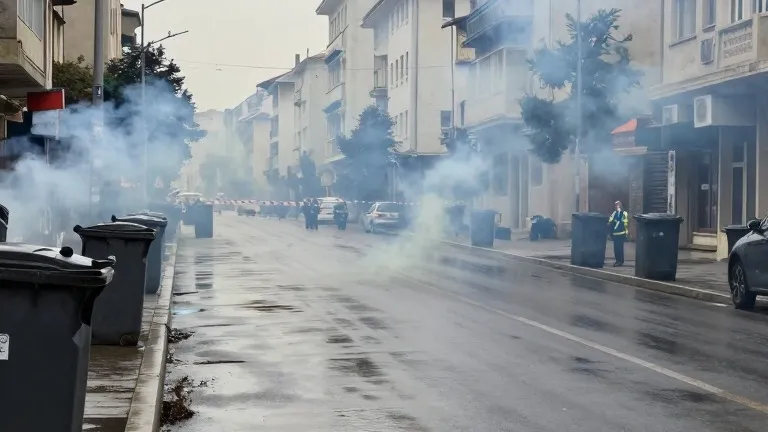
Police deployed water cannon, tear gas, and rubber bullets to clear the streets. The intervention occurred after the rally turned violent. Several government buildings were attacked by the crowd. The Ministry of Education served as a primary target, with demonstrators throwing stones at the structure and rolling burning trash bins toward it.
The event marks a sharp escalation in a series of protests that started in mid-October. Initial grievances centered on poor conditions in schools and the rising cost of living in the Balkan state. Although tensions had appeared to ease in the days prior, Saturday's turnout reversed that trend. Organizers called on students and citizens from across the country to join the march.
A wide coalition supported the rally, including university professors, artists, and opposition parties. Local media noted that police increased security measures around the capital, conducting checks on vehicles entering the city. This showed a high level of preparation for the gathering.
Prime Minister Edi Rama has sought to manage the crisis by inviting dialogue. His office placed red cushions outside the government headquarters on Saturday as a symbolic gesture. Protesters rejected the offer and set the cushions on fire. Rama has previously blamed foreign actors for the unrest, specifically naming Russia and Iran as drivers of online misinformation.
The current unrest extends a period of intermittent protests that began in May. That timeline started when details emerged about a luxury hotel project linked to the family of U.S. President Donald Trump. Since then, anger has broadened into a campaign against corruption. Demonstration signs targeted Rama and his rival, center-right leader Sali Berisha, indicating that demonstrators blame the entire political class for the crisis.
Rama, a member of the Socialist party, faces calls for his resignation. The protests have now persisted for months, shifting from specific issues to a wider rejection of the political establishment. The injury count of over 300 represents the largest single-day toll in the recent wave of clashes.