Brazil's Working Class Reshapes Presidential Run-Off
A transformation in the Brazilian working class is reshaping the presidential race.
By Sergio Nunez ·
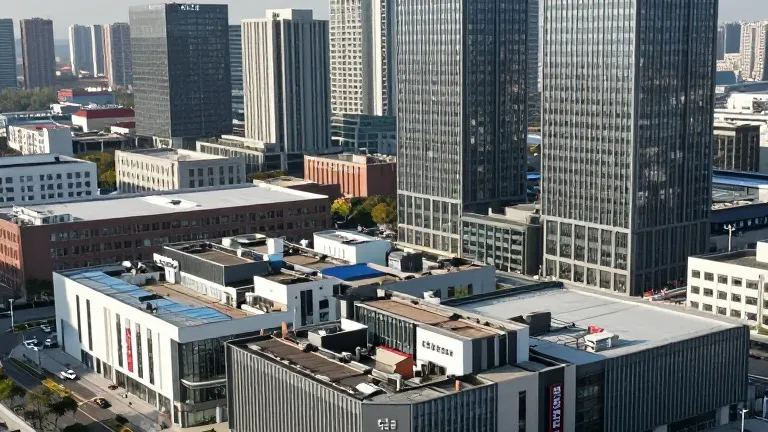
The Brazilian presidential run-off, set for October 30, is being influenced by a shift in how ordinary Brazilians earn a living. In Osasco, a former industrial city now known as São Paulo's 'Silicon Valley,' closed factories have given way to shopping malls and delivery app companies. This change has altered the political landscape, as the municipality, which supported Lula in 2022, now favors Flávio Bolsonaro in the upcoming vote. Every first-round winner since 1989 has gone on to become president, but this trend may be disrupted by the changing nature of work in Brazil.
The transformation in Osasco reflects a broader deindustrialisation across Brazil. Metal, chemical, and textile factories have disappeared, replaced by five malls. This shift has led to a new working class, one that is no longer mainly industrial. Gilberto Almazan, who leads a metalworkers' union in Osasco, describes the union movement that underpinned Lula's rise as stuck in the 'Middle Ages.' Many Brazilians now work as drivers, food couriers, or small traders, a trend Almazan calls 'Uber-isation.' He argues that many such workers want freedom and flexibility over hours rather than the welfare and collective action Lula has traditionally offered.
This shift in the working class is part of a crisis of expectations, in which people are better off but do not feel it because of higher prices, household debt, and high interest rates. Richard Lapper, who has written biographies of both Lula and Jair Bolsonaro, says Brazil industrialised late and deindustrialised early, making the effects sharper. He calls Lula a 'victim of his own success.' Unemployment fell to a record low and Brazil was removed from the UN's Hunger Map under Lula's current presidency, but these achievements have not been enough to maintain his support.
Flávio Bolsonaro has proposed cutting government spending, ministries, and some taxes, while saying he would keep some of Lula's flagship welfare programmes. He has also faced corruption accusations, which he denies. In the first round, 33 million people did not vote, the highest abstention since 1998. Lula's campaign is responding by mobilising hundreds of thousands of people, particularly students, at street rallies, and says one in São Paulo drew about a million. Aerial footage has spread widely online. Lula, 80, has also used social media to rebut claims that he is past his prime, calling himself the 'king of selfies.' Among the poorest, his welfare record still resonates. In Maré, one of Rio's largest favelas, abstention was above average but Lula still won.