
Experts urge UK consumers to pause on mushroom grow kits to protect native forests
Mycologists warn that home growing kits are accelerating the spread of the invasive golden oyster mushroom, prompting calls for a temporary halt in sales.
By Francesca Youssef ·
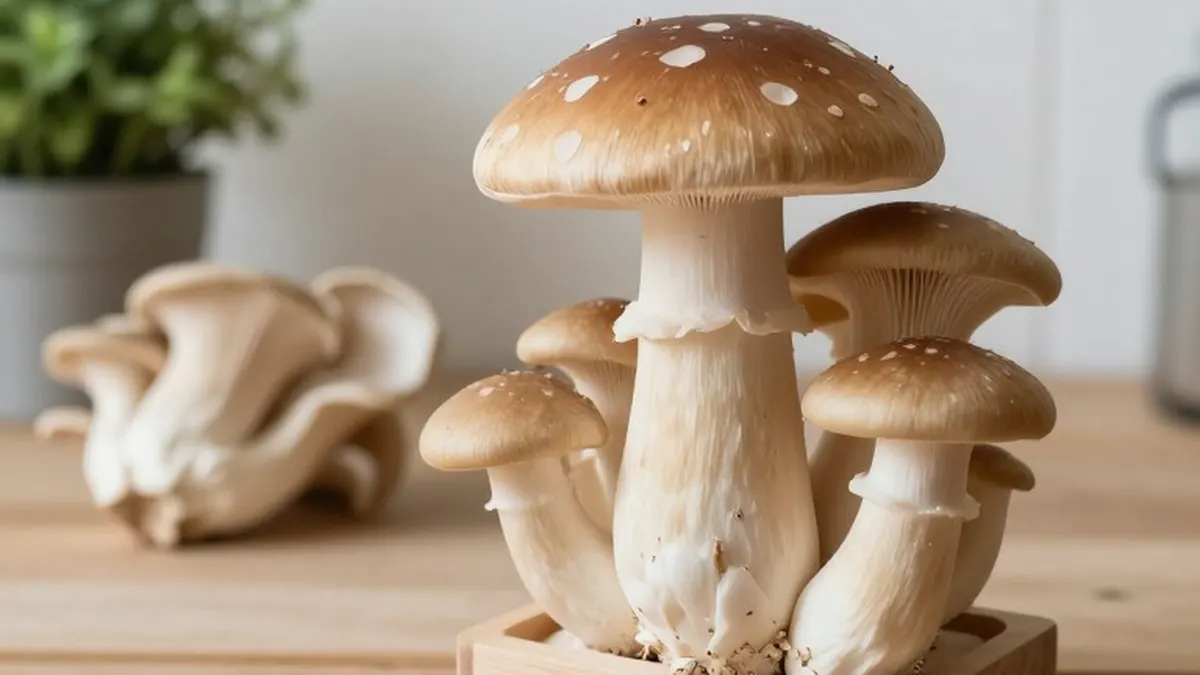
Home mushroom growing kits, long considered a popular and practical gift for culinary enthusiasts, are facing fresh scrutiny from scientific experts. A coalition of international mycologists, including specialists from the Royal Horticultural Society, has advised that these kits should be removed from the Christmas shopping list. The concern stems from the fact that many of these consumer products contain species that are not native to the region and pose a significant threat to local ecosystems.
The primary species of concern is the edible golden oyster mushroom. This variety, which is a staple in many grow kits due to its ease of cultivation and culinary appeal, has been identified as a high-risk invasive species in the United Kingdom. Researchers have observed the mushroom expanding rapidly within British forests. It has successfully established itself in the wild in at least two UK woodlands, with the most probable route of introduction being the escape or release of spores from domestic growing kits.
The golden oyster mushroom is native to East Asia and possesses wind-dispersed spores capable of traveling thousands of miles. This characteristic makes it extremely difficult to contain once it enters a new environment. Its invasive potential is well documented on other continents, including North America. The species arrived in the United States in 2012 and has since spread across 25 states, covering an area of approximately 772,200 square miles. In these regions, the mushroom's aggressive growth has been shown to reduce the population of beneficial native wood-inhabiting fungi by as much as half.
Despite the growing evidence of its impact, the commercial sale of the golden oyster mushroom remains legal in the UK. The product is widely available through online retailers and major high street stores. In response to the biosecurity concerns, the Royal Horticultural Society has taken steps to limit its own exposure. The organization no longer exhibits the golden oyster at its events and has removed it from its retail shops, opting instead to promote native species such as lion’s mane that are safer for home cultivation.
Dr Jassy Drakulic, a senior plant pathologist at the RHS, emphasized the need for a balanced approach. She noted that while the rising public interest in fungi is positive, it must be accompanied by an awareness of the associated biosecurity risks. Drakulic stated that the presence of the golden oyster in the UK highlights a significant gap in how invasive fungi are currently managed. She argued that because fungi are difficult to track in the wild until they fruit, stronger policies are required to prevent the introduction of species that could permanently alter native ecosystems.
The issue of invasive species is a major driver of global biodiversity loss. A well-known example in Britain is the grey squirrel, which was imported from the United States in the 1800s. The grey squirrel spread squirrelpox, a fatal disease, to the native red squirrel, leading to the extinction of red squirrels in many parts of the country. This historical precedent underscores the urgency of managing new biological introductions carefully.
Aishwarya Veerabahu, a mycologist at the University of Wisconsin-Madison, highlighted the direct link between consumer products and ecological spread. She explained that every kit sold provides an opportunity for the golden oyster to establish itself in nature. In North America, these kits facilitated a rapid colonization across the US and Canada in less than a decade, with full ecological impacts still being assessed.
Veerabahu stressed that fungi form the foundation of forest health and that invasive species are disrupting complex local relationships. She noted that the golden oyster has not yet spread extensively in the UK, which offers a critical window of opportunity. She is urging people to hold off on purchasing mushroom kits to protect the UK’s fungal biodiversity and preserve favorite native edible species.