NATO Cancels 2027 Albanian Summit Amid Internal Tensions
NATO has canceled its planned 2027 summit in Albania due to internal disagreements over defense spending and geopolitical issues, pushing the next major gathering to 2028 or later.
By Francesca Youssef ·
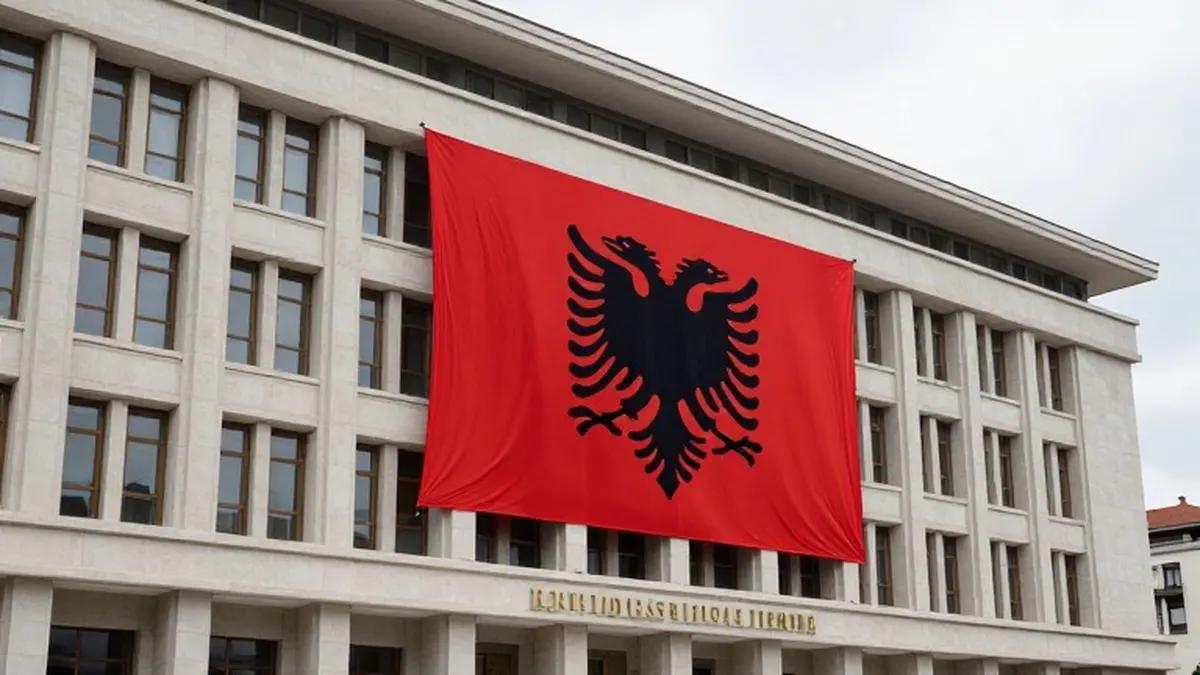
The North Atlantic Treaty Organization has officially abandoned plans to host a leaders' summit in Albania in 2027. This decision comes as the alliance scales back the frequency of its high-level gatherings. According to the Associated Press, internal friction within the alliance regarding defense spending, the situation in Iran, and the ongoing war in Ukraine has driven the shift in scheduling.
Albanian Prime Minister Edi Rama addressed the change on November 12, confirming that there is currently no common position on when the next summit will take place. He stated clearly that it will not happen in 2027. Rama indicated that if a summit is held in 2028, it will be hosted in Tirana, the capital of Albania.
NATO Secretary General Mark Rutte attempted to minimize the significance of the postponement in an interview with the Associated Press. He emphasized that the alliance remains flexible regarding summit schedules, noting that meetings occur when there is a genuine need. Rutte added that the next gathering will take place once such a necessity arises.
Historical context suggests a significant change in NATO's operational rhythm. Until about a decade ago, the alliance held summits on a biennial basis. The reduction in high-level meetings reflects a broader adjustment in how the organization manages its diplomatic calendar.
The scaling back extends beyond just the leaders' summit to include ministerial meetings. Defense ministers, who typically convene in October, did not meet last month. Furthermore, no talks are scheduled for October 2027. As part of a broader reorganization package, foreign ministers are now limited to a single meeting next year, a reduction from the previous two scheduled engagements.
Albania had originally been designated as the host for the upcoming summit in 2025. However, the country's name was removed from the declaration of the July summit, signaling a shift in plans. Some member states expressed reluctance to reward Albania with such a major event, citing concerns that the country does not allocate sufficient funds to its defense sector.
The government in Tirana is projected to spend 2.15 percent of its gross domestic product on defense this year. While this figure is below the alliance's target, Albania is not the worst performer among the 32 member states. Countries including Spain, Belgium, and Slovenia have considerably lower spending ratios. The NATO goal is for all members to spend 3.5 percent of GDP on core defense requirements and an additional 1.5 percent on defense-related infrastructure by 2035.
Organizing a NATO summit carries significant financial and political burdens. For example, the Netherlands required a full year of preparation for the 2025 meeting in The Hague and invested approximately 100 million US dollars. These costs contribute to the strategic decision to reduce the frequency of such large-scale events.
The Associated Press also noted that the alliance has adapted to crisis situations in the past. Following Russia's full-scale invasion of Ukraine in February 2022, NATO held its first-ever virtual summit. This precedent demonstrates the organization's ability to modify its formats in response to urgent geopolitical developments.