Brazilian Vote: 159 Million Choose Between Lula and Bolsonaro in Dead Heat
Lula rallies on Copacabana while Bolsonaro campaigns in Minas Gerais ahead of Sunday's runoff, with polls showing the two candidates effectively tied.
By Sergio Nunez ·
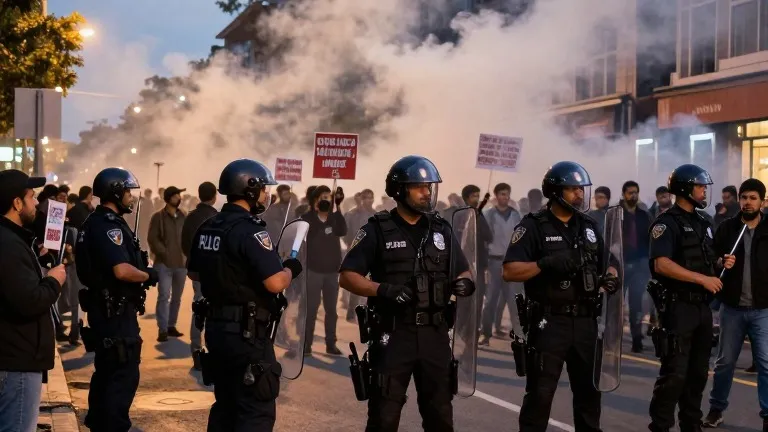
Brazilian voters go to the polls on Sunday to decide the next president in a race that has ended in a statistical tie. Nearly 159 million eligible citizens must choose between incumbent Luiz Inácio Lula da Silva and far-right challenger Flávio Bolsonaro. The outcome hinges on a final day of campaigning that has split the nation between beach rallies in Rio de Janeiro and street protests in Belo Horizonte.
The path to this final vote began on 4 October, when Flávio Bolsonaro won the first round with 47% of the vote against Lula's 45%. Since democracy was restored in the 1980s, no candidate who lost the first round has ever come back to win the runoff. If Lula succeeds, it will break a decades-long historical trend. Most analysts currently view Bolsonaro as the slight favorite, though recent scandals have allowed Lula to claw back ground in the polls.
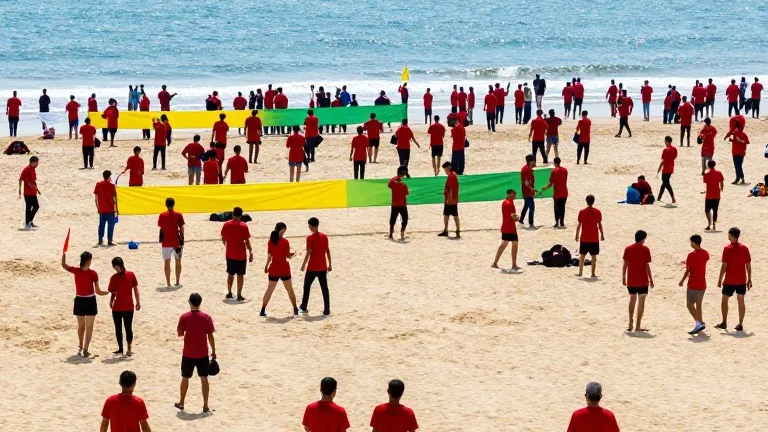
On Saturday, tens of thousands of Lula supporters gathered on Copacabana Beach in Rio de Janeiro. The crowd, largely dressed in red, filled the 2.5-mile shoreline in a procession that organizers described as carnival-like. A massive yellow and green banner reading "WE ARE GOING TO TURN THIS AROUND!" was unfurled by activists. The energy reflected a hope for a historic comeback after a difficult first round.
Individual supporters cited personal reasons for their presence. Truck driver Josias Silva, 61, carried a sign predicting a new day and claimed the streets showed the people had woken up. He estimated Lula would secure more than 60% of the vote, a figure far higher than current polling data suggests. Many marchers were part of "Lula's Army," a WhatsApp group of 10 million members created after the first-round results were announced.
For some, the stakes extend beyond party politics. Jair Bolsonaro, Flávio’s father, is serving a 27-year prison sentence for plotting a coup after his 2022 defeat. Democrats fear he could be released or return to power if his son wins. Restaurateur Marta Moraes, 59, said she opposed "Bolsonarismo" specifically, noting she lost four relatives due to government neglect during the pandemic.
Flávio Bolsonaro campaigned in Belo Horizonte, the capital of Minas Gerais state. Thousands gathered in Praça da Liberdade wearing yellow football jerseys and waving Brazilian and US flags. Minas Gerais is the country's second-largest electorate and serves as a key bellwether, as no president has won without carrying the state. Bolsonaro led there by nearly 5% in the first round. Supporters emphasized his security platform, with shooting club owner Antonio Carlos Costa Jr. arguing that Jair Bolsonaro’s gun laws empowered citizens to defend themselves.
Critics point to documented ties between Flávio Bolsonaro and Rio de Janeiro militias, as well as his father's past loosening of gun control laws that some experts say diverted weapons to criminal gangs. Architect Erika Cavalcante, 43, carried a sign in Belo Horizonte that read "Don't let the mobsters win." Lula’s camp has responded by tightening gun regulations and highlighting recent scandals involving Flávio, including a reported boat party during the height of the 2020 coronavirus outbreak.
The final day of campaigning saw both sides mobilize their bases. In Rio, DJ Cammy Marinho reported spending two weeks persuading first-round abstainers to switch sides. Fourteen-year-old Heitor Lopes da Silva traveled from Duque de Caxias in a wheelchair to show support. The vote on Sunday will determine whether Lula completes his term or whether Flávio Bolsonaro takes office, ending a political cycle defined by a return to power for the Bolsonaro family.